
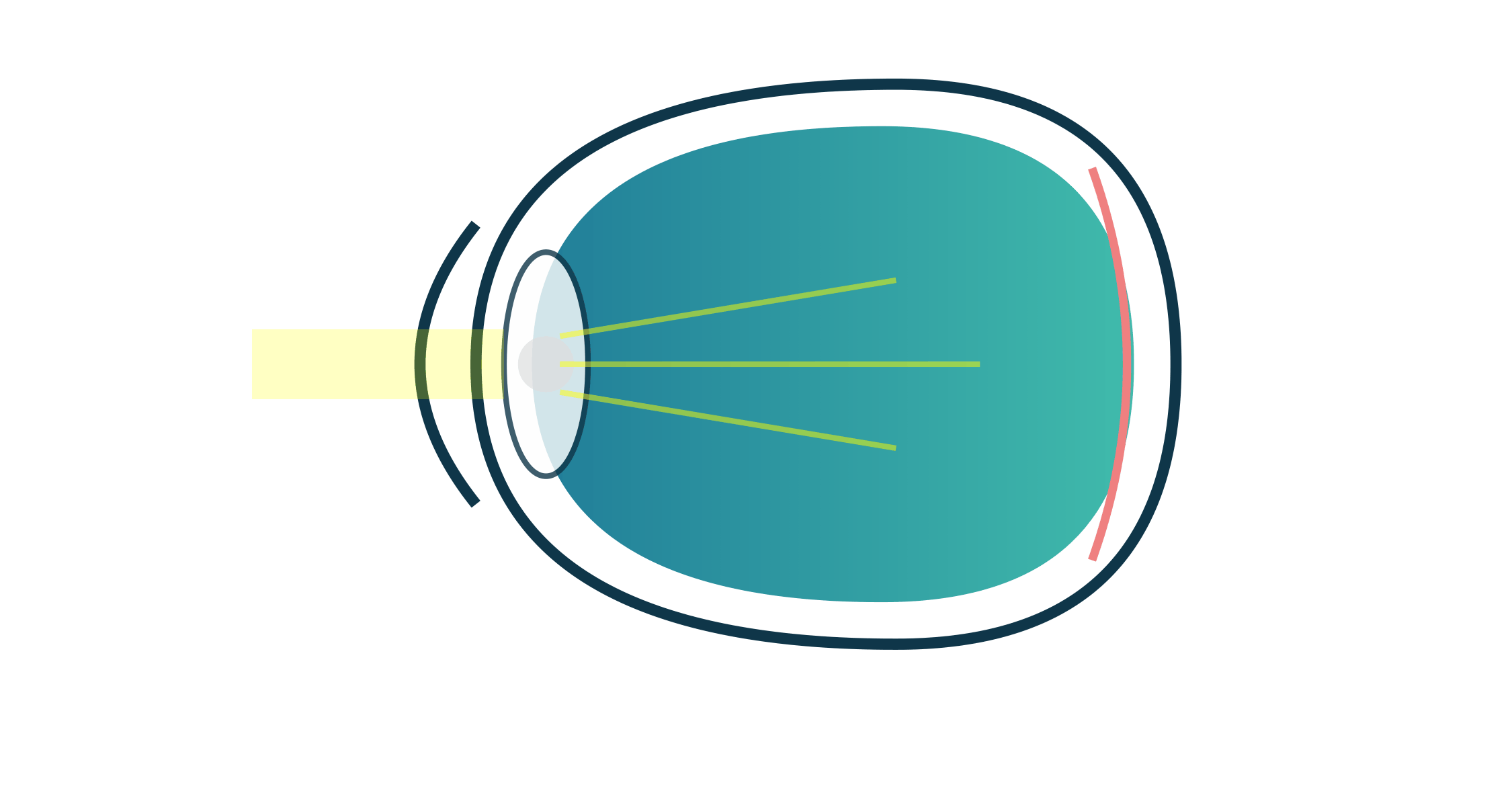
A cataract, in one sentence
A cataract is when the clear lens inside your eye becomes cloudy. The lens sits just behind the iris (the coloured part of the eye) and focuses light onto the retina. When proteins in the lens clump together with age, the lens turns from crystal-clear to milky or yellow-brown — and vision becomes progressively blurred.
Cataracts are the most common cause of treatable sight loss in adults over 60. Roughly 30% of people aged 65 and over have a visually significant cataract in at least one eye. Surgery to replace the cloudy lens with a clear artificial one is the most commonly performed operation in the NHS.

Cataract symptoms
Cataracts develop gradually — often over years — so the change can be easy to miss. The symptoms patients describe most often are:
- Blurred, cloudy or misty vision that glasses no longer fix
- Glare and halos around headlights or bright lamps
- Colours look dull, yellow or brownish
- Needing brighter light to read or do close work
- Frequent changes to your glasses prescription
- Double vision in one eye, or a faded second image
If any of these apply — particularly difficulty driving at night — it is worth arranging a cataract assessment with a consultant ophthalmologist.
What causes cataracts?
The vast majority of cataracts are simply age-related. From around age 40 the proteins in the lens begin to change; from 60 onwards those changes are usually enough to affect vision. Other well-established causes include:
- Diabetes — high blood sugar accelerates lens changes.
- Long-term steroid use — oral, inhaled or steroid eye drops.
- UV exposure — decades of unprotected sunlight.
- Smoking — roughly doubles cataract risk.
- Previous eye injury or surgery — including vitrectomy.
- High myopia — very short-sighted eyes cataract earlier.
- Congenital cataracts — present at birth, rare.
Types of cataract
Nuclear sclerotic cataract
The most common type. The centre (nucleus) of the lens hardens and yellows. Distance vision blurs and colours look muted. Some patients briefly become more short-sighted before vision deteriorates ("second sight").
Cortical cataract
Spoke-like opacities form around the edge of the lens and grow inward. Glare and contrast problems are the earliest symptoms — often noticed while driving.
Posterior subcapsular cataract
A small opacity forms on the back surface of the lens. Because it sits directly in the visual axis, it affects reading and bright-light vision quickly — even when the rest of the lens looks clear. More common with steroid use or diabetes.
How a cataract is diagnosed
An optometrist or ophthalmologist can diagnose a cataract at a routine sight test. The examination includes:
- A visual acuity test (the letter chart)
- Slit-lamp biomicroscopy — a magnified view of the lens
- Dilated fundus examination to rule out other causes of blurred vision
- Biometry (measurements of the eye) if surgery is being planned
Not every hazy lens needs surgery. The decision depends on how much the cataract is affecting your daily life — not on how it looks under the microscope.
Cataract treatment
There is no drop, tablet or diet that clears a cataract once it has formed. The only proven treatment is surgery to remove the cloudy lens and replace it with a clear artificial intraocular lens (IOL).
Modern cataract surgery uses phacoemulsification: a 2 mm incision, ultrasound to break the lens into microscopic fragments, and a folded IOL inserted through the same incision. The whole operation takes about 15 minutes under anaesthetic eye drops. Most patients see a clear improvement within 24 to 48 hours.
You can choose your IOL based on the vision you want after surgery — a standard monofocal lens for distance, a toric lens if you have astigmatism, or a premium multifocal lens to reduce your need for glasses at near and far.
Considering private cataract surgery?
Ms Pearsall offers consultant-led fast-track cataract surgery within 2–3 weeks of consultation across 17 UK clinics.
Cataract surgery recovery, day by day
Recovery from modern cataract surgery is quicker than most patients expect. Because the incision is only 2 mm and no stitches are used, the eye seals itself within hours. Here is what a typical recovery timeline looks like.
Day of surgery
You are in the clinic for 2–3 hours in total; the operation itself takes about 15 minutes. Vision is initially hazy and bright — most patients describe it as "looking through frosted glass". A clear plastic shield is taped over the eye for the first night to prevent accidental rubbing. Rest, watch TV, and start your antibiotic and anti-inflammatory drops the same evening.
Day 1 — first post-operative check
Vision is usually already noticeably brighter and more colourful. You'll be seen to confirm the eye pressure is normal and healing is on track. You can shower, read, use screens and go for walks. Avoid getting soap or shampoo directly in the eye.
Days 2–7 — back to normal life
Most patients return to office work, driving (once the DVLA standard is met), cooking and light exercise within 2–3 days. Continue drops four times a day. Avoid rubbing the eye, swimming, dusty gardening and heavy lifting over 10 kg.
Weeks 2–4 — settling
Vision continues to sharpen as the eye settles around the new intraocular lens. Drops taper down and stop at around 4 weeks. Contact sports, swimming and eye make-up can resume from week 2–3. If both eyes need surgery, the second eye is usually done at this point.
Week 6 — final refraction
The eye is fully healed and the lens is stable. If glasses are needed for reading or fine-tuning distance vision, a new prescription is issued now. The intraocular lens itself is permanent and does not need replacing.
Do
- Use your drops on schedule
- Wear the clear shield at night for 1 week
- Wear sunglasses outdoors — the eye is light-sensitive
- Attend all follow-up appointments
Avoid
- Rubbing or pressing the eye
- Swimming and hot tubs for 4 weeks
- Heavy lifting over 10 kg for 2 weeks
- Eye make-up for 2 weeks
Ready to talk about cataract surgery?
A consultant-led assessment with Ms Pearsall gives you a clear diagnosis, a personal lens plan and honest advice on timing.
Can cataracts be prevented?
Age-related cataracts cannot be entirely prevented, but you can slow them down: wear UV-blocking sunglasses, don't smoke, keep diabetes well-controlled, and have a sight test every two years (annually over 70). Diet rich in leafy greens and antioxidants may help modestly.
Frequently asked questions
What is a cataract in simple terms?
A cataract is a clouding of the eye's natural lens. The lens sits behind the iris and normally focuses light onto the retina. When it becomes cloudy, vision becomes blurred, colours look faded and glare from bright lights is more noticeable.
What are the first signs of a cataract?
The earliest signs are usually blurred or misty vision, difficulty driving at night because of glare from headlights, colours looking duller or more yellow, and needing more light to read. Prescriptions often change more quickly than usual.
What causes cataracts?
Most cataracts are age-related — the proteins in the lens change from around age 60 onwards. Other causes include long-term UV exposure, diabetes, prolonged steroid use, previous eye injury or surgery, smoking, and rarer genetic conditions.
Can cataracts be treated without surgery?
No. There is no eye drop, tablet or laser that reverses a cataract. Stronger glasses and better lighting help in the early stages, but once a cataract affects daily activities such as driving or reading, surgery is the only treatment that restores clear vision.
How is cataract surgery performed?
Modern cataract surgery is a 15–20 minute day-case procedure. Under local anaesthetic drops, the cloudy lens is broken up with ultrasound (phacoemulsification) through a 2 mm incision and replaced with a clear artificial intraocular lens (IOL). No stitches or general anaesthetic are needed.
When should I have cataract surgery?
Surgery is recommended when the cataract interferes with things you want to do — driving safely, reading small print, working, or hobbies. There is no benefit to waiting until the cataract is 'ripe'; modern techniques are safer when performed earlier.
Is cataract surgery safe?
Cataract surgery is one of the safest and most commonly performed operations in the UK, with over 450,000 procedures each year. Serious complications occur in fewer than 1 in 1,000 cases in experienced consultant hands.
How long does it take to recover from cataract surgery?
Most patients notice clearer vision within 24–48 hours and are back to normal activities such as reading, TV and light work within 2–3 days. Full visual recovery and lens stability take about 4–6 weeks, at which point new glasses (if needed) can be prescribed.
How long after cataract surgery can I drive?
You can usually drive again once vision in the operated eye meets the DVLA standard — for most patients this is 2–7 days after surgery, confirmed at the first post-operative check. If both eyes need surgery, driving is typically resumed after the second eye is done.
What should I avoid after cataract surgery?
For the first 1–2 weeks avoid rubbing the eye, swimming, dusty or dirty environments, heavy lifting over 10 kg, contact sports, and eye make-up. Bending and light housework are fine from day one. Antibiotic and anti-inflammatory eye drops are used for around 4 weeks.
How much does private cataract surgery cost in the UK?
Private cataract surgery in the UK typically costs £2,800–£3,500 per eye for a standard monofocal lens and £3,500–£5,000 per eye for premium toric or multifocal lenses. Ms Pearsall's transparent all-inclusive pricing covers consultation, surgery, lens, theatre and all follow-ups.
How long do the results of cataract surgery last?
The artificial intraocular lens fitted during cataract surgery lasts a lifetime — it does not wear out or need replacing. A small number of patients develop 'posterior capsule opacification' months or years later, which is treated in minutes with a painless YAG laser.
Book a cataract assessment
A consultant-led assessment gives you a clear diagnosis, a detailed lens plan, and an honest answer on whether surgery is right for you now.