
Treatments
Anaesthesia for cataract surgery
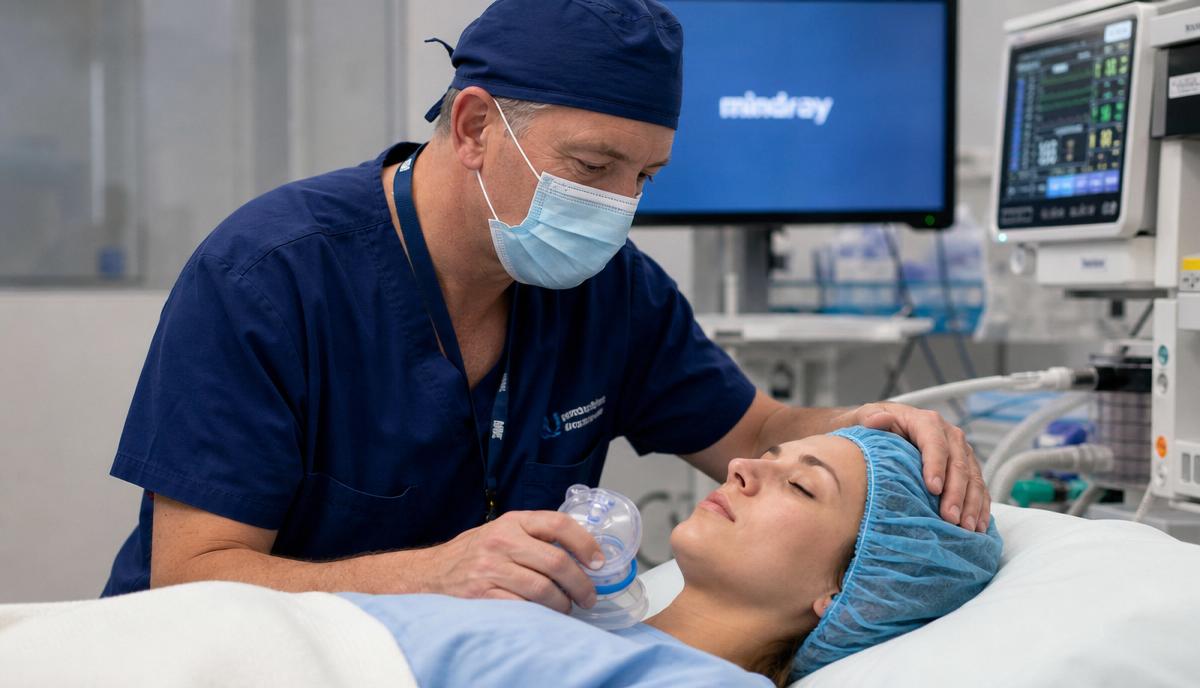
Think you may need cataract surgery? Ms Pearsall can review your eyes privately in the UK — free, no-obligation call.
Considering cataract treatment? Speak to consultant Ms Pearsall directly.
Book a cataract consultationCataract surgery is one of the most common operations in the world, and it is usually performed as a day-case procedure. One of the first questions many patients ask is whether they will be put to sleep. In fact, most cataract surgery is carried out under local anaesthetic, meaning you are awake but your eye is completely numb. This approach is safe, fast to recover from, and lets you go home the same day.
Why local anaesthetic is preferred
A general anaesthetic, where you are fully asleep, carries more risk than local anaesthetic and takes longer to recover from. For cataract surgery, which usually takes 10 to 20 minutes, a local anaesthetic is almost always sufficient. It avoids the risks of a deep anaesthetic, reduces grogginess afterwards, and allows most patients to return to normal activities within a day or two.
Anaesthetic eye drops
The simplest form of anaesthesia is topical anaesthetic drops. These are placed on the surface of the eye before surgery. They numb the cornea and the front of the eye, making the procedure comfortable. The surgeon may also use a small amount of anaesthetic gel inside the eye during the operation. With topical anaesthesia alone, you may feel a sensation of pressure or movement, but you should not feel pain.
Anaesthetic injections around the eye
For some patients, the surgeon will use a local anaesthetic injection around the eye. This is called a sub-Tenon's or peribulbar block. A small amount of anaesthetic is placed near the eye to numb the nerves that supply it. The eye is numb and the eyelid muscles may also be temporarily relaxed. This gives deeper anaesthesia than drops alone, which can be helpful for longer or more complex operations, or for patients who are anxious about feeling anything at all.
Will I be awake?
Yes, with local anaesthetic you are awake during the surgery. You will not be able to see what the surgeon is doing, because the operating microscope light is very bright and the other eye is covered. You may see colours, lights or shapes, and you will hear the surgeon and the team talking. The surgeon will let you know when important moments are coming, such as when the lens is being inserted.
Can I have sedation as well?
Many clinics offer mild sedation to help anxious patients relax. This is usually a tablet taken shortly before the operation, or occasionally a small dose through a vein. It does not put you to sleep, but it can make the experience feel calmer and pass more quickly. You will still need to be able to follow instructions, and you will need someone to take you home afterwards.
When is general anaesthetic used?
General anaesthetic is only used in exceptional circumstances. Examples include young children, adults who cannot lie still because of tremor or neurological conditions, severe anxiety that cannot be managed with sedation, or very complex cases where the surgeon needs the eye to be perfectly still. If a general anaesthetic is needed, the surgery takes place in a hospital setting with an anaesthetist present.
What does the surgery feel like?
With good local anaesthesia, cataract surgery should not be painful. Most patients describe a sensation of pressure, a cool feeling from the fluids, and bright light. Some people feel a mild ache or a scratchy sensation for a few hours afterwards, similar to having an eyelash in the eye. Simple pain relief such as paracetamol is usually enough.
Are there risks with the anaesthetic?
All anaesthetics carry some risk, but serious problems with local anaesthetic for cataract surgery are rare. With injection techniques, there can be minor bruising around the eye or a small red spot on the white of the eye. Very rarely, there can be bleeding or a temporary rise in eye pressure. Your surgeon will discuss the best option for your eye and your medical history.
What happens after the anaesthetic wears off?
The numbness from anaesthetic drops usually wears off within an hour. An injection block can last for several hours, so the eye may feel numb until the evening. Your vision will be blurry at first, and you may be sensitive to light. You will be given drops to use at home, and a shield to protect the eye at night. You must not drive or operate machinery until the anaesthetic has worn off and your vision has been checked.
Next steps
If you are worried about being awake during cataract surgery, discuss this at your pre-operative assessment. Your surgeon can explain the anaesthetic options available and help you choose the one that best suits your temperament, medical history and the complexity of your cataract. For the vast majority of patients, local anaesthetic makes the procedure comfortable and straightforward.
Explore more on Treatments
Related reading
- Can I have laser eye surgery if I am diabetic?
What people with diabetes need to know about LASIK, SMILE and LASEK eligibility, risks and outcomes.
- Can I have laser eye surgery if I have a squint or lazy eye?
What strabismus and amblyopia mean for laser eye surgery, and what results you can realistically expect.
- How long does laser eye surgery last?
Why the laser correction is permanent, and what can change your vision years after surgery.
- I'm nervous, can I be sedated for laser eye surgery?
Why feeling anxious before laser eye surgery is normal, and what sedation options are available on the day.
Keep reading
Ready to discuss your options?
Book a private consultation with Ms Tahmina Pearsall, or call our secretary directly — mention this article and we'll pull up the treatment details for you.
Prefer to read first? 10 questions to ask your cataract surgeon
Newsletter
Stay informed about your eye health
Get expert articles, clinic news and treatment updates from Dr Tahmina Pearsall — straight to your inbox.