
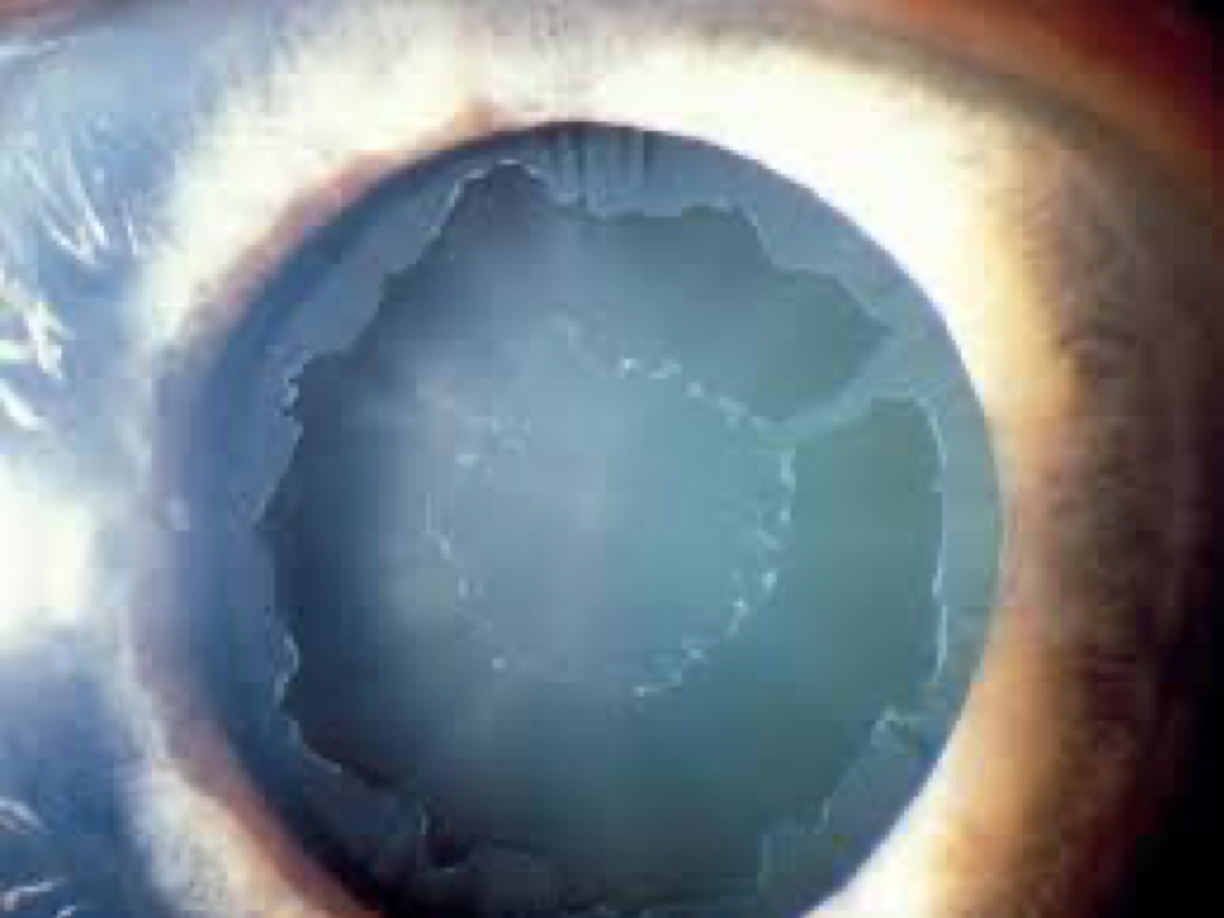
Pigmentary glaucoma is a type of secondary open-angle glaucoma. Pigment granules from the back of the iris rub off and clog the drainage meshwork, raising the pressure inside the eye. It mainly affects short-sighted men and often starts in the twenties or thirties, so regular monitoring is important to protect lifelong vision.
The pigment is released when the iris rubs against the lens and its supporting structures during normal activities such as focusing to read. Vigorous exercise may also increase pigment release in some people. About 30–35 percent of people with pigment dispersion syndrome go on to develop high eye pressure or glaucoma.
There are usually no early symptoms. As the condition advances, side vision may become affected, and some people notice brief episodes of haloes or blurry vision. Diagnosis involves a thorough eye examination, including inspection of the drainage angle, checks for optic nerve damage, and often imaging of the optic nerve plus formal visual field testing.