
Typically patients have no symptoms early in the disease. When it advances, a patient may notice difficulty with side vision, and rarely episodes of haloes or blurry vision. Your ophthalmologist will carry out a thorough examination of your eyes, including the drainage angle. Patients with pigment dispersion often have more pigment than usual in the drainage angle, pigment on the inner lining of the cornea, and thinning of the iris where chafing occurs. Imaging of the optic nerve and formal visual field testing are also commonly needed.
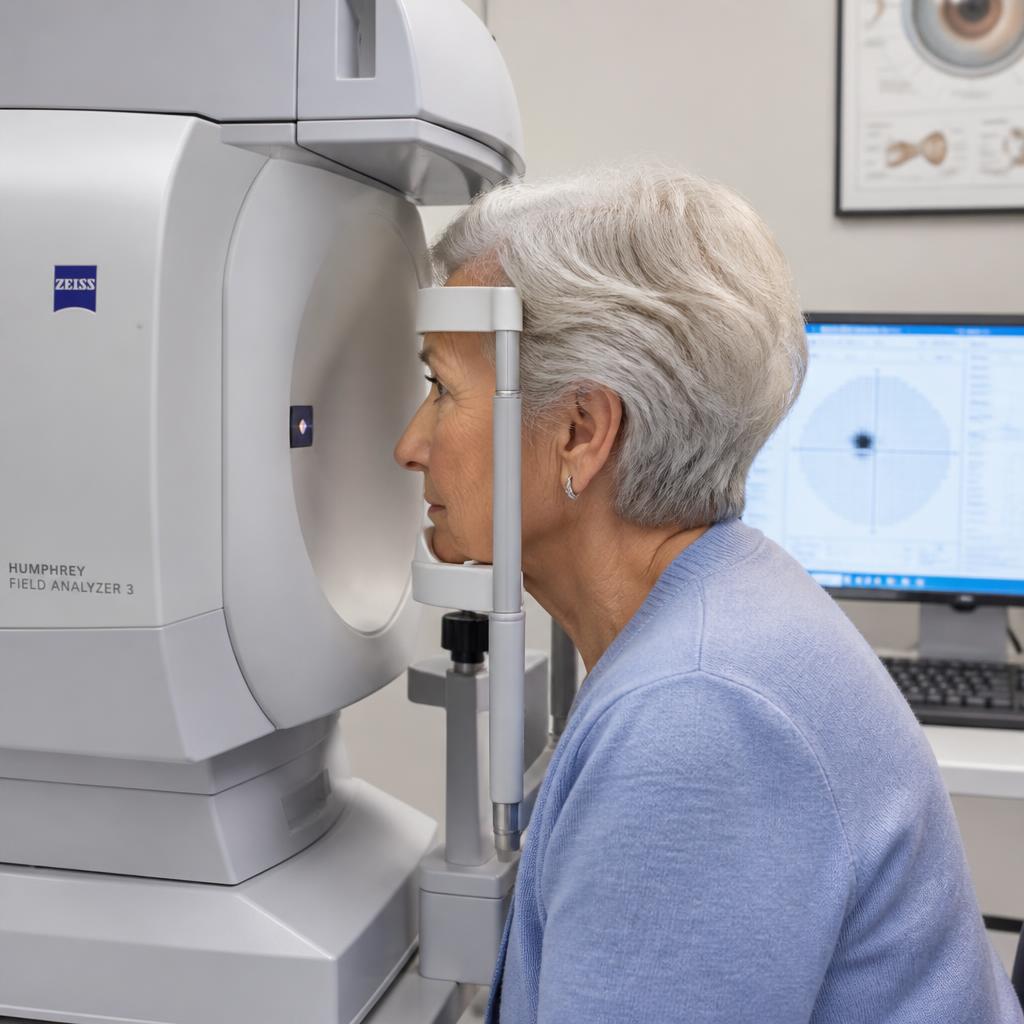
How is pigmentary glaucoma diagnosed?
Book a Consultation
Book your consultation today and take the first step towards clearer vision.
Contact us today