
Glaucoma
Being a "Glaucoma Suspect"
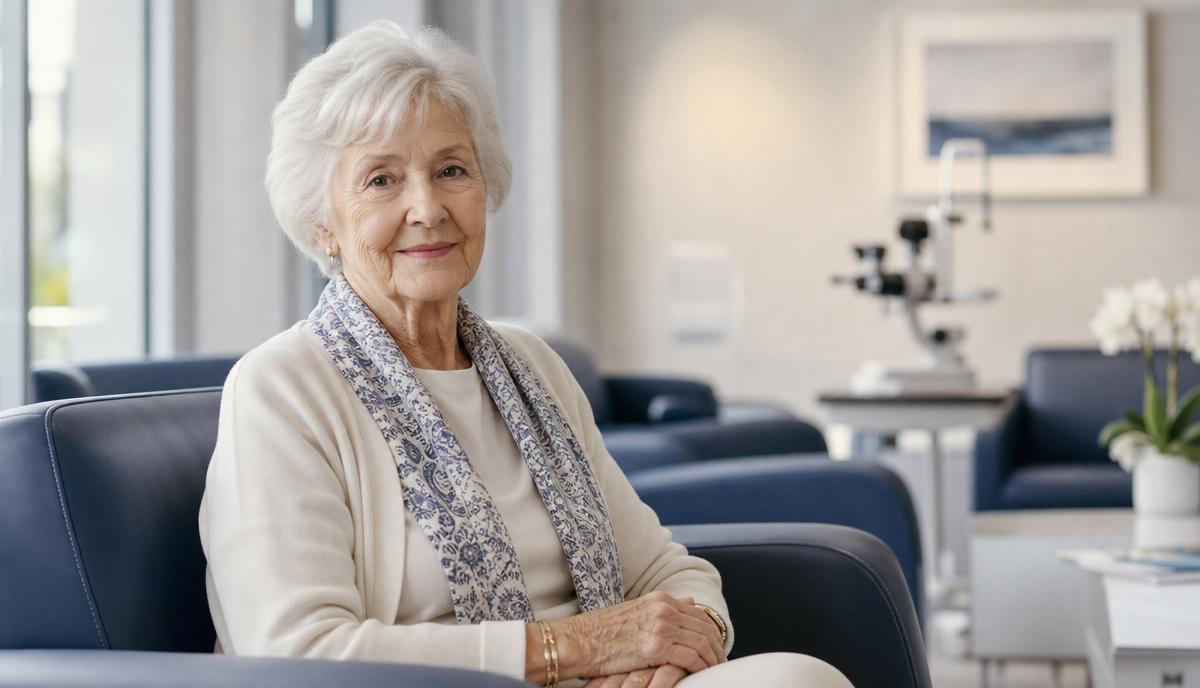
Concerned about eye pressure or glaucoma? Ms Pearsall's team can arrange a private review — free, no obligation.
If you have been told you are a 'glaucoma suspect', you are not alone. It is a common phrase used by optometrists and ophthalmologists when the eye shows one or more features that could suggest glaucoma, but there is not yet clear evidence of the disease itself. It is a watchful category, not a diagnosis, and the goal is to detect any change early enough to protect your sight.
What does 'glaucoma suspect' actually mean?
Glaucoma is a group of eye conditions that damage the optic nerve, usually linked to raised pressure inside the eye. A glaucoma suspect is someone who has risk factors or suspicious findings that make the optic nerve look as though it might be at risk, but who does not yet have the characteristic vision loss or structural damage that defines the disease.
Common reasons for the label include a higher-than-average eye pressure, an optic nerve that looks cupped or pale on examination, a family history of glaucoma, or a cornea that is thinner than average. Sometimes a single high-pressure reading is enough to prompt closer monitoring.
Why the label is useful, not alarming
Being a suspect means your optic nerve is being watched before any damage has occurred. Most glaucoma suspects never develop glaucoma. The challenge is that we cannot always tell at the first appointment who will progress and who will not, so monitoring is safer than waiting for symptoms to appear.
Glaucoma rarely causes symptoms until it is advanced. By the time you notice a problem, significant peripheral vision may already be lost. Early monitoring is what prevents that.
Risk factors that matter
- Age: risk rises significantly after 40 and continues to increase with age.
- Family history: a parent or sibling with glaucoma increases your risk.
- Raised intraocular pressure: the higher the pressure, the greater the risk over time.
- Thin corneas: a thinner cornea can make eye pressure readings appear lower than they truly are.
- High myopia or short-sightedness: very short-sighted eyes have different optic nerve shapes and a higher lifetime risk.
- Ethnicity: people of African-Caribbean and South Asian origin are at higher risk for certain forms of glaucoma.
- Steroid use or steroid-responsive eye pressure: long-term steroid eye drops or tablets can raise pressure.
The tests you can expect
A glaucoma workup goes well beyond a standard sight test. I usually recommend:
- Optic nerve imaging with OCT: this measures the thickness of the retinal nerve fibre layer around the optic disc and can detect thinning long before it affects vision.
- Visual field testing: this maps your peripheral vision and can pick up subtle losses caused by early glaucoma.
- Corneal pachymetry: a simple measurement of corneal thickness to help interpret eye pressure readings accurately.
- Optic disc photography: a reference photograph of the optic nerve to compare against future visits.
- Gonioscopy: a contact-lens examination of the drainage angle inside the eye to check for angle-closure risk.
These tests are painless and usually take about 30 minutes.
Monitoring versus treatment
If the risk is low and tests are normal, the usual approach is observation. This means regular eye checks, often every 6 to 12 months, with repeat imaging and visual fields to look for any change.
If the optic nerve shows progressive damage, or if the eye pressure is high enough to justify action, treatment is started. The first-line treatment is usually pressure-lowering eye drops, though laser therapy or surgery may be considered depending on the type and severity of glaucoma.
When does a suspect become a patient?
The diagnosis is made when repeated testing shows clear evidence of optic nerve damage or progressive visual field loss. Until then, the label remains 'glaucoma suspect' and the emphasis is on surveillance.
Next steps
If you have been told you are a glaucoma suspect, do not ignore it, but do not panic either. Attend your follow-up appointments, keep a record of any family history, and ask which specific findings prompted the label. If you would like a second opinion or a full diagnostic workup, book a consultation — we can review your scans, explain your risk in plain language, and set a clear monitoring plan.
Explore more on Glaucoma
Related reading
Glaucoma UK — symptoms, SLT laser & surgery- What are the benefits of early cataract surgery for glaucoma patients?
Why glaucoma patients should consider cataract surgery sooner, and how it can protect both vision and eye pressure control.
- 5 common myths about glaucoma: an expert view
A consultant ophthalmologist separates fact from fiction about glaucoma, eye pressure and sight loss.
- What is Glaucoma?
Glaucoma is a group of eye conditions that damage the optic nerve. Learn how it develops, who is at risk, what the symptoms are and how it is treated.
Keep reading
Ready to discuss your options?
Book a private consultation with Ms Tahmina Pearsall, or call our secretary directly — mention this article and we'll pull up the treatment details for you.
Prefer to read first? 10 questions to ask your cataract surgeon
Newsletter
Stay informed about your eye health
Get expert articles, clinic news and treatment updates from Dr Tahmina Pearsall — straight to your inbox.