
Treatments
How common is dry eye after lens replacement surgery?
Considering lens replacement? Find out if you're suitable before paying for anything — free, no-obligation call.
Dry eye is a well-known concern after laser eye surgery, but many people also wonder whether it happens after lens replacement surgery. The answer is that it can occur, but it is generally less common and often less persistent than after laser procedures. In fact, some patients find that their eyes feel more comfortable after lens replacement, particularly if the cataract was causing irritation or poor vision before surgery.
Why dry eye can occur after lens replacement surgery
Lens replacement surgery, also known as refractive lens exchange or cataract surgery, involves removing the natural lens and replacing it with an artificial intraocular lens. The procedure does not cut corneal nerves the way LASIK does, but it can still affect the surface of the eye. Several factors contribute to dry eye symptoms after surgery:
- The surgery and the bright microscope light can temporarily disrupt the tear film.
- Preservative-heavy eye drops used before and after surgery can irritate the ocular surface.
- The eyelids and meibomian glands may be slightly affected by the procedure and the healing process.
- Many patients having lens replacement are older, and older people are more likely to have some degree of dry eye or meibomian gland dysfunction already.
- Surgery can temporarily alter the way the eyelid sits and blinks against the eye.
Most of these effects are temporary and improve as the eye heals and the tear film stabilises.
How common is it?
Studies show that some degree of dry eye symptoms is reported by a significant minority of patients after cataract or lens replacement surgery. For many, the symptoms are mild and last only a few weeks. The risk is higher in people who already had dry eye before surgery, in women, in older patients, and in those with other eyelid conditions such as blepharitis.
Importantly, a large number of patients notice no change in their dry eye symptoms, and some feel better after surgery. This is because removing a cloudy cataract can improve the overall comfort and clarity of the eye, and the new artificial lens can sometimes reduce the focusing effort that contributes to eye strain.
Risk factors for dry eye after lens replacement
The risk is not the same for everyone. Factors that increase the chance of dry eye symptoms after lens replacement include:
- Pre-existing dry eye, blepharitis, or meibomian gland dysfunction
- Older age, particularly over sixty-five
- Female gender, especially around or after the menopause
- Use of medications such as antihistamines, antidepressants, or blood pressure tablets
- Diabetes or thyroid disease
- Long-term contact lens wear before surgery
- A history of autoimmune conditions such as Sjögren's syndrome or rheumatoid arthritis
Your surgeon will assess these risk factors before surgery and may recommend treating the ocular surface first if the risk is high.
How long does it last?
For most patients, any dry eye symptoms after lens replacement surgery improve within the first four to six weeks. The eye drops used after surgery, which include anti-inflammatory and antibiotic drops, can also affect the tear film. Once these drops are stopped and the surface has healed, the tear film usually settles.
Patients with pre-existing dry eye may take longer to recover, and a small number may need ongoing treatment for several months. This is not usually a sign that the surgery has failed, but rather that the underlying tear film needs continued support.
How to manage dry eye after lens replacement
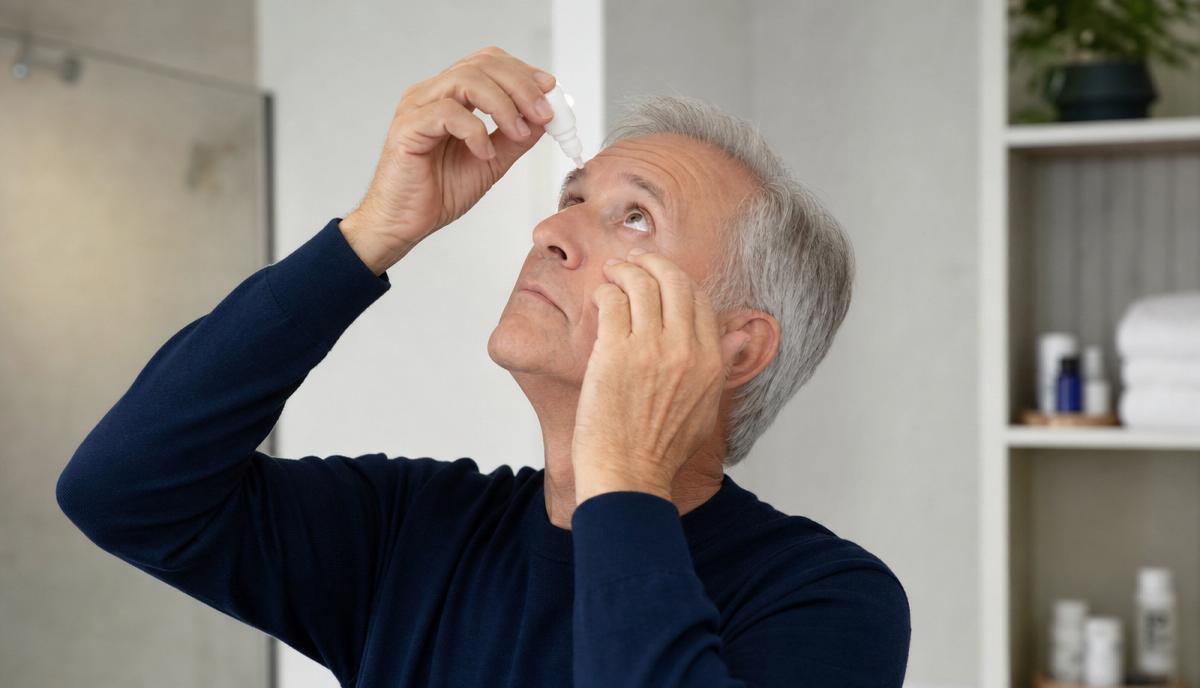
The most important step is to use lubricating eye drops as advised by your surgeon. Preservative-free artificial tears are best if you need to use them frequently. Do not wait until your eyes feel very dry; regular use helps keep the surface smooth and comfortable as the eye heals.
Warm compresses and lid massage can help the meibomian glands produce better quality oils for the tear film. Avoid rubbing your eyes, protect them from wind and dust, and take breaks from screens. Sleeping with a protective shield in the first few nights also helps prevent accidental rubbing or pressure.
When to seek help
Mild dryness, gritty sensation, and slight watering are common after lens replacement and usually improve with drops. You should contact your clinic if you have severe pain, a sudden drop in vision, marked redness, or discharge. These symptoms are not typical of dry eye alone and may indicate infection, inflammation, or another complication that needs urgent attention.
Can dry eye be prevented before surgery?
Yes, in many cases. If your surgeon identifies dry eye or blepharitis before surgery, treating it first can make the recovery much smoother. This may include lid hygiene, warm compresses, omega-3 supplements, prescription drops, or treating demodex mites. Starting treatment before surgery gives the tear film a better chance of withstanding the post-operative healing period.
Does dry eye affect the outcome of lens replacement?
Mild dry eye does not usually affect the final visual result of lens replacement surgery, but it can make the recovery less comfortable. A very dry ocular surface can cause fluctuating vision and make the eye feel irritable. For this reason, premium lens choices such as multifocal lenses may be approached more cautiously in people with significant dry eye or ocular surface disease, because these lenses depend on a healthy cornea and tear film for best performance.
Next steps
If you are considering lens replacement surgery and are worried about dry eye, mention it at your consultation. Your surgeon can assess your tear film, check for blepharitis, and recommend a treatment plan before and after surgery. For most patients, dry eye after lens replacement is a temporary, manageable issue, and the long-term improvement in vision is well worth the short recovery period.
Explore more on Treatments
Related reading
- Can I have laser eye surgery if I am diabetic?
What people with diabetes need to know about LASIK, SMILE and LASEK eligibility, risks and outcomes.
- Can I have laser eye surgery if I have a squint or lazy eye?
What strabismus and amblyopia mean for laser eye surgery, and what results you can realistically expect.
- How long does laser eye surgery last?
Why the laser correction is permanent, and what can change your vision years after surgery.
- I'm nervous, can I be sedated for laser eye surgery?
Why feeling anxious before laser eye surgery is normal, and what sedation options are available on the day.
Keep reading
Ready to discuss your options?
Book a private consultation with Ms Tahmina Pearsall, or call our secretary directly — mention this article and we'll pull up the treatment details for you.
Prefer to read first? 10 questions to ask your cataract surgeon
Newsletter
Stay informed about your eye health
Get expert articles, clinic news and treatment updates from Dr Tahmina Pearsall — straight to your inbox.