
Treatments
Is it safer to have laser eye surgery or wear contact lenses?
Wondering if laser eye surgery suits your eyes? Get an honest answer from Ms Pearsall's team — free, no obligation.
Considering laser eye treatment? Speak to consultant Ms Pearsall directly.
Book a laser eye consultationOne of the most common questions I am asked is whether laser eye surgery is safer than wearing contact lenses long-term. The answer is not always straightforward because both options carry risks. For many people, modern laser eye surgery is extremely safe, while contact lenses, although very common, are one of the leading causes of preventable eye infections. The right choice depends on your eyes, your habits, your age and what you want from your vision.
How safe is laser eye surgery?
Laser eye surgery has been performed for more than 30 years and has an excellent safety record. Procedures such as LASIK, SMILE and LASEK are refined, computer-guided and highly predictable. Serious complications are rare. The most common side effects are temporary dry eye, glare or halos at night, and a small chance of needing an enhancement. A thorough assessment helps identify people who are not ideal candidates and reduces the risk of problems.
How safe are contact lenses?
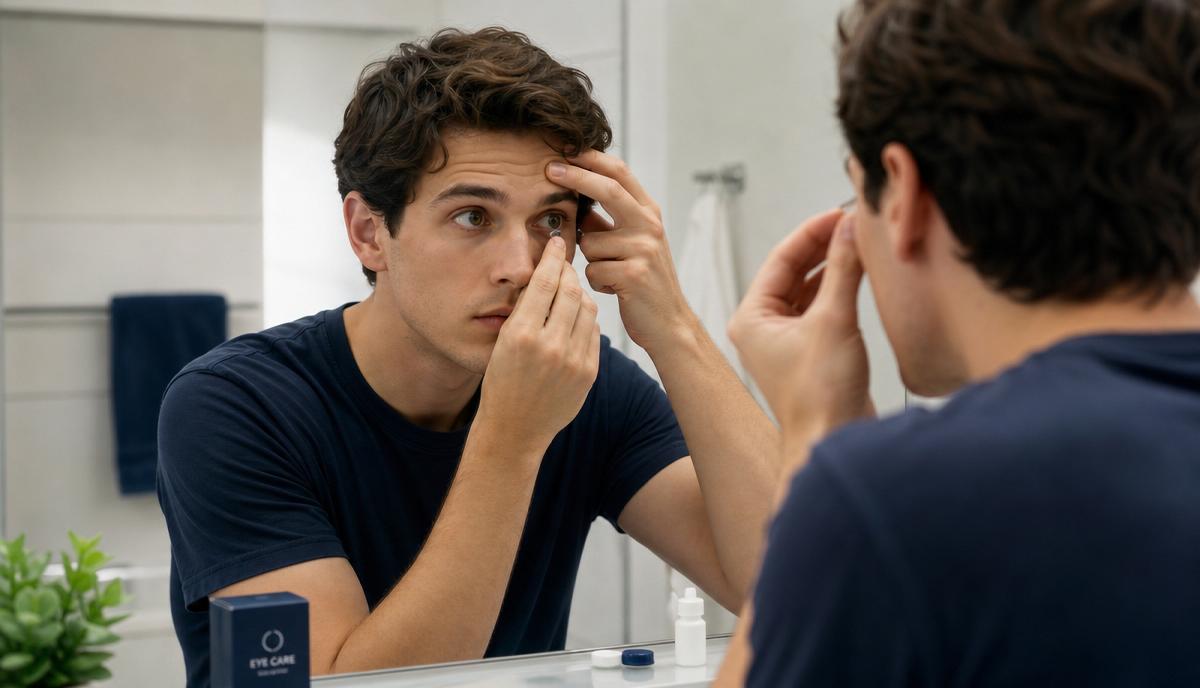
Contact lenses are safe when used correctly, but they are not risk-free. They reduce oxygen reaching the cornea, can introduce bacteria to the eye and can cause microscopic damage to the surface if overworn or slept in. The biggest concern is infection. Contact lens-related keratitis, an infection of the cornea, can cause pain, scarring and, in severe cases, permanent vision loss. The risk is much higher with extended-wear lenses, sleeping in lenses, or poor hygiene.
Long-term infection risk
Studies have shown that the lifetime risk of a serious contact lens-related infection may be higher than the risk of a serious complication from laser eye surgery. This surprises many people, but it makes sense when you consider that contact lenses are worn thousands of times a year, often in less-than-ideal conditions. Every day of lens wear is another opportunity for bacteria or minor trauma to affect the eye. Laser surgery, by contrast, is a one-time procedure with a controlled recovery period.
Daily lens wear adds up
Over many years, the cumulative effect of contact lens wear can be significant. Some people develop chronic dry eye, corneal scarring, giant papillary conjunctivitis or allergic reactions to lens materials or solutions. These problems can be frustrating and sometimes require stopping lens wear altogether. For people who have worn lenses for 10 or 20 years, the cumulative risk is one reason they consider laser surgery.
Laser surgery is not risk-free
It is important to be honest about laser eye surgery risks. Some patients experience dry eye, night vision symptoms or a small residual prescription. Very rarely, there can be problems with the corneal flap in LASIK or healing issues in surface treatments. These risks are higher in people with thin corneas, very high prescriptions, unstable prescriptions, severe dry eye or certain corneal conditions. This is why a detailed assessment is essential before deciding.
Lifestyle factors matter
The safer option for you depends partly on how you use your eyes. If you are careful with lens hygiene, never sleep in lenses, replace them on schedule and attend regular checks, contact lens risks are low. If you are prone to sleeping in lenses, swimming in them, or wearing them longer than recommended, your infection risk is higher. Laser surgery removes the daily hygiene burden but requires a one-time procedure and recovery.
Cost and convenience
Contact lenses have an ongoing cost and require daily care, travel cases, solutions and replacements. Laser eye surgery has a higher upfront cost but no ongoing lens expenses. Over a decade or more, the cost can balance out. Convenience is also a factor: many people choose laser surgery because they want freedom from lenses for sport, travel, work and daily life.
Who should choose what?
Contact lenses remain a good option for people whose eyes are not suitable for laser surgery, whose prescription is still changing, or who are happy with lens wear. Laser eye surgery is often preferred by people who are good candidates, who want long-term freedom from lenses, and who accept the small upfront risks of a procedure in exchange for avoiding decades of lens wear. Neither choice is right for everyone.
Making the comparison personal
The safest way to answer this question is to have a detailed assessment of your eyes, your lens habits and your health history. We can estimate your personal risk with continued contact lens wear and compare it to your estimated risk with laser surgery. For many suitable patients, laser surgery is statistically safer over a lifetime, but the decision must be individual.
Next steps
If you are considering laser eye surgery, book a comprehensive consultation. Bring your current glasses and contact lens prescription, and be honest about your lens wear habits. We will assess your cornea, tear film, prescription and overall eye health, and help you decide whether laser surgery or continuing with contact lenses is the better and safer option for you.
Explore more on Treatments
Related reading
- Can I have laser eye surgery if I am diabetic?
What people with diabetes need to know about LASIK, SMILE and LASEK eligibility, risks and outcomes.
- Can I have laser eye surgery if I have a squint or lazy eye?
What strabismus and amblyopia mean for laser eye surgery, and what results you can realistically expect.
- How long does laser eye surgery last?
Why the laser correction is permanent, and what can change your vision years after surgery.
- I'm nervous, can I be sedated for laser eye surgery?
Why feeling anxious before laser eye surgery is normal, and what sedation options are available on the day.
Keep reading
Ready to discuss your options?
Book a private consultation with Ms Tahmina Pearsall, or call our secretary directly — mention this article and we'll pull up the treatment details for you.
Prefer to read first? 10 questions to ask your cataract surgeon
Newsletter
Stay informed about your eye health
Get expert articles, clinic news and treatment updates from Dr Tahmina Pearsall — straight to your inbox.