
Treatments
What to expect when you have treatment for cataracts - Your questions answered
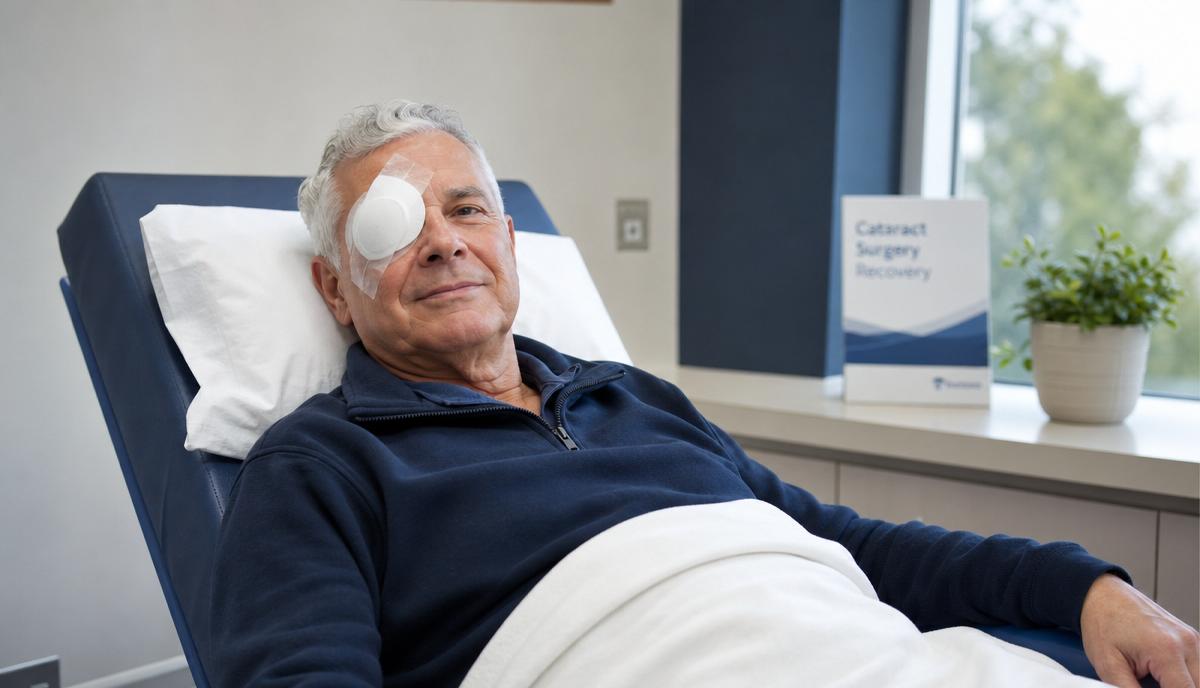
Think you may need cataract surgery? Ms Pearsall can review your eyes privately in the UK — free, no-obligation call.
Considering cataract treatment? Speak to consultant Ms Pearsall directly.
Book a cataract consultationCataract treatment is one of the most common and most successful procedures performed today. If you have been told you have cataracts, it is natural to have questions about what will happen. This guide explains the journey from first assessment through surgery and recovery, so you know what to expect at each stage.
Before your assessment
Before you are seen, you may be asked to stop wearing contact lenses for a few days or weeks so your cornea returns to its natural shape. Bring your current glasses, a list of any medications and eye drops, and details of your general health. It is helpful to think about what you want from surgery, such as less dependence on glasses for distance, reading or computer work.
The assessment appointment
During the assessment, your vision and prescription are checked, and the cataract is examined. Measurements are taken of the length and shape of your eye to help choose the right lens. Drops may be used to dilate your pupils, which can blur your vision for a few hours, so you should not drive yourself home. You will also have a chance to discuss the risks and benefits, the lens options and the expected recovery.
Choosing your lens
One of the most important parts of modern cataract treatment is selecting the lens that replaces your cloudy natural lens. Options include monofocal lenses, which provide clear distance vision but usually require reading glasses, and premium lenses such as toric, multifocal, trifocal or extended-depth-of-focus lenses, which can reduce dependence on glasses at more distances. The right choice depends on your prescription, lifestyle, eye health and personal preferences.
On the day of surgery
Cataract treatment is usually performed as a day-case procedure. You will be awake, but drops and a small anaesthetic injection or gel are used to make the eye comfortable. You should not eat or drink for a few hours beforehand if you are having sedation, and you will need someone to take you home afterwards. Most people are at the hospital or clinic for two to three hours in total, though the procedure itself usually takes only 10 to 20 minutes.
The procedure itself
The cloudy lens is removed through a tiny opening and replaced with a clear artificial lens. The technique most commonly used is phacoemulsification, where ultrasound gently breaks the lens into small pieces. Stitches are rarely needed because the opening is so small. You may see bright lights and feel some pressure, but the procedure should not be painful. A clear shield is usually placed over the eye for protection.
Immediately after surgery
After the procedure, you will rest in a recovery area for a short time. Your eye may feel slightly gritty or watery, but significant pain is uncommon. You will be given eye drops to use at home to reduce inflammation and prevent infection. Most people are able to go home within an hour or two of the surgery.
The first week at home
In the first few days, it is important not to rub the eye and to keep it clean and dry. You should avoid heavy lifting, bending double, and getting water or soap into the eye. Light activities, reading, watching television and gentle walking are fine. Many people notice that colours look brighter and vision is clearer within a day or two, although the eye will continue to settle over the following weeks.
Driving and returning to normal
You can usually return to light daily activities within a day or two. Office work is often possible within two to three days, but you should avoid dusty environments or tasks that could strain the eye. Driving should only resume once your vision meets the legal standard and your surgeon has confirmed it is safe. This is usually checked at your first post-operative appointment.
Follow-up appointments
Most patients are seen the day after surgery, then again at one week and around four to six weeks. These checks are important to ensure the eye is healing well, the pressure is normal, the lens is in the right position and the vision is improving. If you have surgery on both eyes, the second eye is usually treated once the first has settled.
When to seek help
Contact your clinic urgently if you have severe pain, a sudden drop in vision, increasing redness, discharge, flashes, floaters or a curtain over your vision. These symptoms are uncommon, but early assessment is important. Do not wait for your next scheduled appointment if you are worried.
Next steps
If you have been told you have cataracts and would like to understand your options, the first step is a consultant-led assessment. Write down your questions beforehand, bring your glasses, and be ready to discuss what you want from your vision. Cataract treatment is highly effective, and most patients are delighted with the improvement in clarity and colour.
Explore more on Treatments
Related reading
- Can I have laser eye surgery if I am diabetic?
What people with diabetes need to know about LASIK, SMILE and LASEK eligibility, risks and outcomes.
- Can I have laser eye surgery if I have a squint or lazy eye?
What strabismus and amblyopia mean for laser eye surgery, and what results you can realistically expect.
- How long does laser eye surgery last?
Why the laser correction is permanent, and what can change your vision years after surgery.
- I'm nervous, can I be sedated for laser eye surgery?
Why feeling anxious before laser eye surgery is normal, and what sedation options are available on the day.
Keep reading
Ready to discuss your options?
Book a private consultation with Ms Tahmina Pearsall, or call our secretary directly — mention this article and we'll pull up the treatment details for you.
Prefer to read first? 10 questions to ask your cataract surgeon
Newsletter
Stay informed about your eye health
Get expert articles, clinic news and treatment updates from Dr Tahmina Pearsall — straight to your inbox.