
Eye conditions
Stye (hordeolum): UK causes, treatment and when to see a doctor
Questions about your own eyes? Speak to Ms Pearsall's team — free, no obligation.
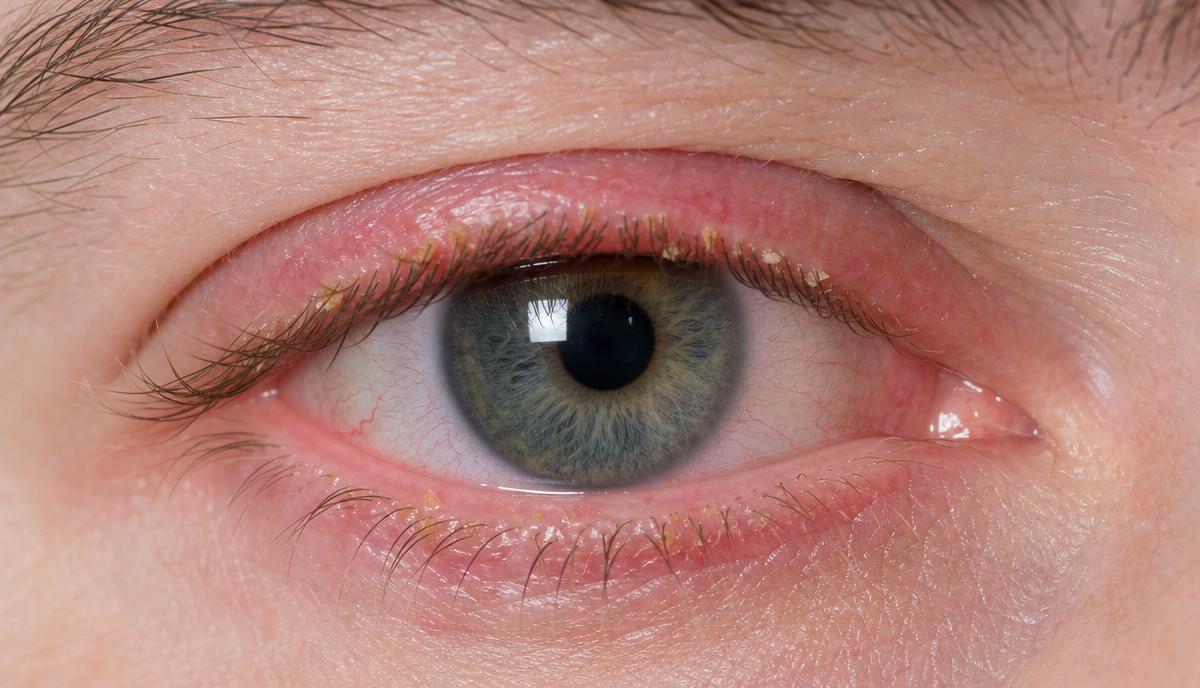
A stye (hordeolum) is a painful, red lump on the eyelid caused by a blocked, infected oil gland. Most settle within a week with warm compresses and lid hygiene, but recurrent or persistent styes point to underlying blepharitis or meibomian gland dysfunction that benefits from proper assessment.
What a stye actually is
Styes come in two forms. An external hordeolum sits at the base of an eyelash and looks like a small yellow-headed spot. An internal hordeolum develops inside a meibomian gland deeper in the eyelid and often feels more tender because there is no route for the pus to drain.
Both are caused by staphylococcal bacteria colonising a gland that was already blocked. That is why lid margin disease — blepharitis, rosacea, dry eye — makes recurrent styes much more likely.
Symptoms
- A tender, red lump on the upper or lower eyelid
- Watering, mild swelling, a gritty feeling
- Sometimes a small yellow point of pus
- Rarely: swelling of the whole lid, blurred vision from pressure on the cornea
Home treatment that actually works
The evidence base for styes is simple: warmth and gentle expression, not antibiotics.
1. Warm compress — a clean flannel soaked in hand-hot water, held on the closed eye for 8–10 minutes, four times a day
2. Gentle lid massage afterwards to help the gland drain
3. Lid hygiene with a proprietary lid wipe or diluted baby shampoo along the lash line
4. Do not squeeze the stye and do not wear eye make-up or contact lenses while it is active
Most styes resolve in 5–7 days with this routine.
When to see a doctor
See your GP, optometrist or an eye specialist if:
- The stye is not improving after 7–10 days
- Swelling spreads to the whole eyelid, cheek or beyond the orbit (possible preseptal or orbital cellulitis — this is urgent)
- Vision is affected
- The lump becomes hard, painless and rubbery — that is a chalazion, not an acute stye, and often needs a small incision
- Styes keep coming back — underlying blepharitis needs treating properly
Antibiotics — usually not needed
Topical antibiotics do not shorten a stye and are only indicated when infection is spreading. Oral antibiotics are reserved for cellulitis. If you have been given repeated courses of chloramphenicol for styes without the underlying lid disease being addressed, ask for a lid margin assessment instead.
Preventing recurrent styes
Long-term prevention is about lid margin health. See our guide to blepharitis — daily warm compresses, lid hygiene and occasionally omega-3 supplementation reduce recurrence dramatically.
Book a consultant-led lid assessment
If styes keep coming back, or a lump has been present for more than three weeks, book a consultation with my private practice or call 020 3137 3237. We treat chronic blepharitis, chalazia and recurrent styes across our UK clinics.
Frequently asked questions
- Should I pop a stye?
- No. Squeezing spreads infection deeper into the lid and can cause cellulitis. Warm compresses encourage natural drainage safely.
- Are styes contagious?
- The bacteria are common skin flora, so styes are not truly contagious, but sharing towels, flannels or eye make-up is a good way to reinfect yourself or others.
- How long does a stye last?
- 5–7 days with good warm-compress therapy. Anything lasting more than 10 days, or a hard painless lump, should be reviewed.
- Can I wear make-up with a stye?
- No — pause eye make-up and contact lens wear until the stye has fully settled, and replace any make-up used just before it appeared.
Explore more on Eye conditions
Related reading
- Chalazion: UK treatment options and when minor surgery is needed
A UK consultant guide to chalazia — the painless eyelid lumps that persist after styes settle — and how they are treated in NHS and private practice.
- Pinguecula: UK causes, symptoms and treatment options
What that yellow bump on the white of the eye is, why it forms, and when a pinguecula needs treatment or surgical removal.
- Pterygium: UK symptoms, treatment and surgery explained
A UK consultant guide to pterygium — the fleshy growth on the eye that can distort vision — and how modern surgery avoids the old high recurrence rates.
- Proptosis (bulging eyes): UK causes and when to worry
A UK consultant guide to proptosis — one or both eyes appearing to bulge — including thyroid eye disease, tumours and when urgent imaging is needed.
Ready to discuss your options?
Book a private consultation with Ms Tahmina Pearsall, or call our secretary directly — mention this article and we'll pull up the treatment details for you.
Prefer to read first? 10 questions to ask your cataract surgeon
Boletín
Mantente al día sobre la salud de tus ojos
Recibe artículos expertos, novedades de la clínica y actualizaciones de tratamientos de la Dra. Tahmina Pearsall directamente en tu bandeja de entrada.