
Patient guides
Am I eligible for lens replacement surgery?
Considering lens replacement? Find out if you're suitable before paying for anything — free, no-obligation call.
Lens replacement surgery — also called refractive lens exchange (RLE) or clear lens extraction — can be life-changing for the right patient. It replaces the eye's natural lens with a clear artificial intraocular lens (IOL) to correct distance, reading or both. But it is not the right choice for everyone. Here is how eligibility is assessed.
The short answer
You may be eligible for lens replacement surgery if you are over 40, have a prescription that is too high or corneas that are too thin for laser eye surgery, and want to reduce dependence on glasses or contact lenses. A full suitability assessment — including corneal scans, eye length measurements, lens density checks and a review of your general health — is needed before a surgeon can confirm this.
Typical candidates
Lens replacement is most often recommended for patients who:
- Are aged 40 or above and starting to lose near vision (presbyopia)
- Have moderate to high prescriptions, including short-sightedness, long-sightedness or astigmatism
- Have early cataract changes and want to address vision and reading focus at the same time
- Have been told they are not suitable for laser eye surgery because of thin corneas or high prescriptions
- Want a long-term solution rather than depending on reading glasses or multifocal contact lenses
What is checked during assessment
A consultant-led suitability assessment includes:
1. Refraction and vision testing. Your glasses prescription, unaided vision and visual needs are measured.
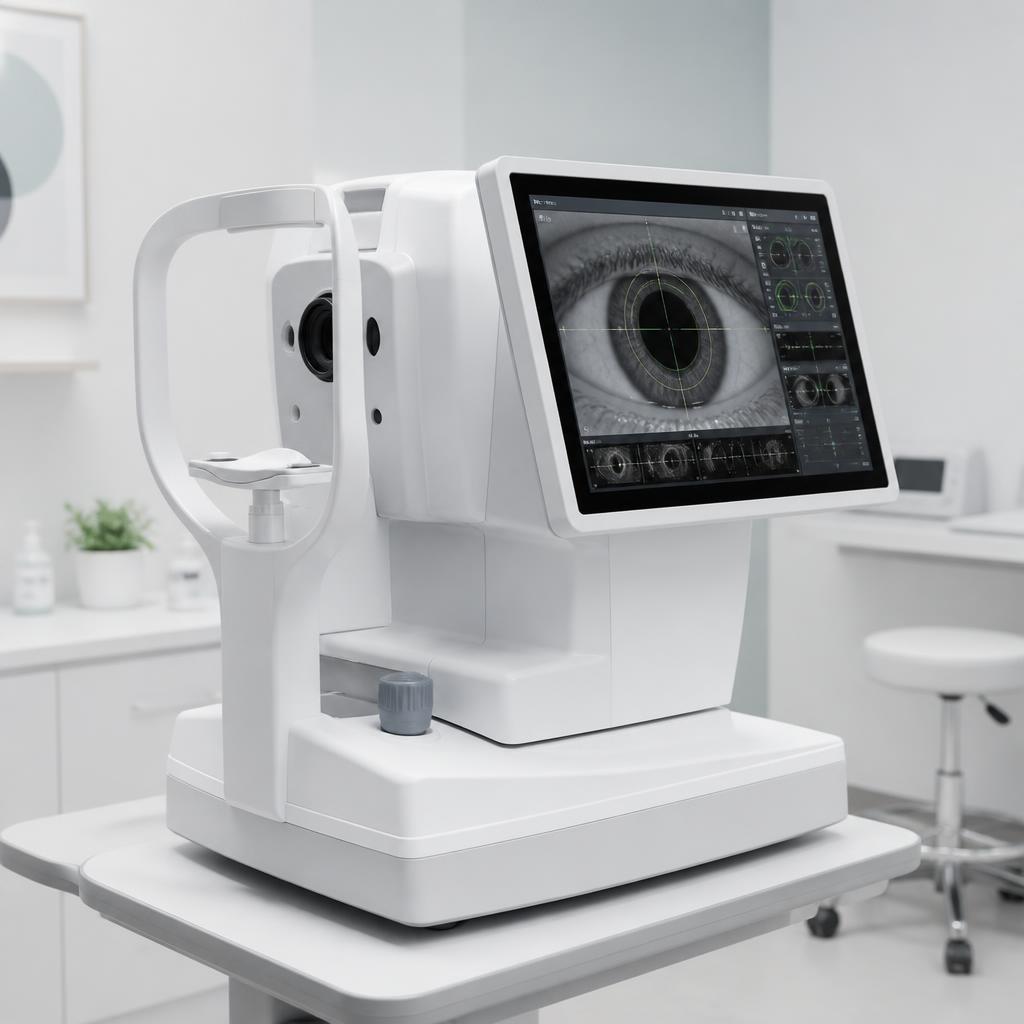
2. Corneal mapping and thickness. Scans such as Pentacam or Oculus rule out conditions like keratoconus and ensure the cornea is healthy.
3. Biometry. The IOLMaster 700 or similar device measures the length of the eye and the curve of the cornea so the correct lens power can be chosen.
4. Lens and retinal examination. A slit-lamp exam and sometimes OCT imaging check the health of the lens, retina and optic nerve.
5. General health review. Conditions such as diabetes, autoimmune disease or certain medications can affect healing or eligibility.
Who may not be suitable
Lens replacement is generally not recommended if you:
- Are under 40 and have healthy natural lenses — laser vision correction may be more appropriate
- Have uncontrolled eye disease such as severe dry eye, advanced glaucoma, macular degeneration or diabetic retinopathy
- Have had previous significant eye trauma or certain retinal conditions
- Are pregnant or breastfeeding at the time of assessment
- Have unrealistic expectations about spectacle independence — some patients still need thin reading glasses for very small print in certain lights
Lens options depend on your eyes
Even if you are suitable for surgery, the type of IOL recommended depends on your prescription, corneal shape, lifestyle and whether you are comfortable with occasional visual trade-offs such as halos around lights at night. Monofocal, enhanced monofocal, trifocal and extended-depth-of-focus lenses each suit different eyes and visual goals.
The bottom line
Eligibility for lens replacement surgery is decided on a case-by-case basis after a detailed diagnostic assessment. Age, prescription, eye health and lifestyle all play a part. The most important step is to have a consultant-led assessment so that the right procedure — or the right alternative — is recommended for your individual eyes.
Book a consultation
Ms Tahmina Pearsall offers consultant-led refractive and cataract assessments across 17 UK locations. Contact your nearest clinic to arrange a full eligibility assessment and discuss which lens option may be right for you.
Explore more on Patient guides
Related reading
- Can I have lens replacement surgery after laser eye surgery?
Ms Pearsall explains whether previous laser eye surgery rules out lens replacement, and when it can be the right next step.
- Am I eligible for laser eye surgery?
Ms Pearsall explains who is typically suitable for laser eye surgery, and which health, age or eye factors may mean another option is better.
- Can I have laser eye surgery twice?
Ms Pearsall explains whether a second laser procedure is possible, when it may be appropriate, and what alternatives exist if more corneal treatment is not advisable.
- Does lens replacement surgery hurt?
Ms Pearsall explains what patients really feel during and after lens replacement surgery, and how discomfort is kept to a minimum.
Keep reading
Greater London
Book a consultation in London
Ms Tahmina Pearsall FRCOphth sees London patients for lens replacement and private cataract surgery, with fixed written quotes from £2,750 per eye and 12 months of consultant aftercare included.
Also seeing patients in
Ready to discuss your options?
Book a private consultation with Ms Tahmina Pearsall, or call our secretary directly — mention this article and we'll pull up the treatment details for you.
Prefer to read first? 10 questions to ask your cataract surgeon
Newsletter
Stay informed about your eye health
Get expert articles, clinic news and treatment updates from Dr Tahmina Pearsall — straight to your inbox.