
Patient guides
Does lens replacement surgery hurt?
Considering lens replacement? Find out if you're suitable before paying for anything — free, no-obligation call.
Lens replacement surgery — also known as refractive lens exchange (RLE) or clear lens extraction — is a procedure many patients consider because they want to reduce dependence on glasses or contact lenses. One of the most common questions asked at consultation is also one of the most straightforward: does it hurt?
The short answer
No. Lens replacement surgery is performed under local anaesthetic, and the eye is numbed with drops before the procedure begins. Patients may feel a sense of pressure, light touch or mild discomfort, but they do not feel sharp pain during the surgery itself.
What happens during the procedure
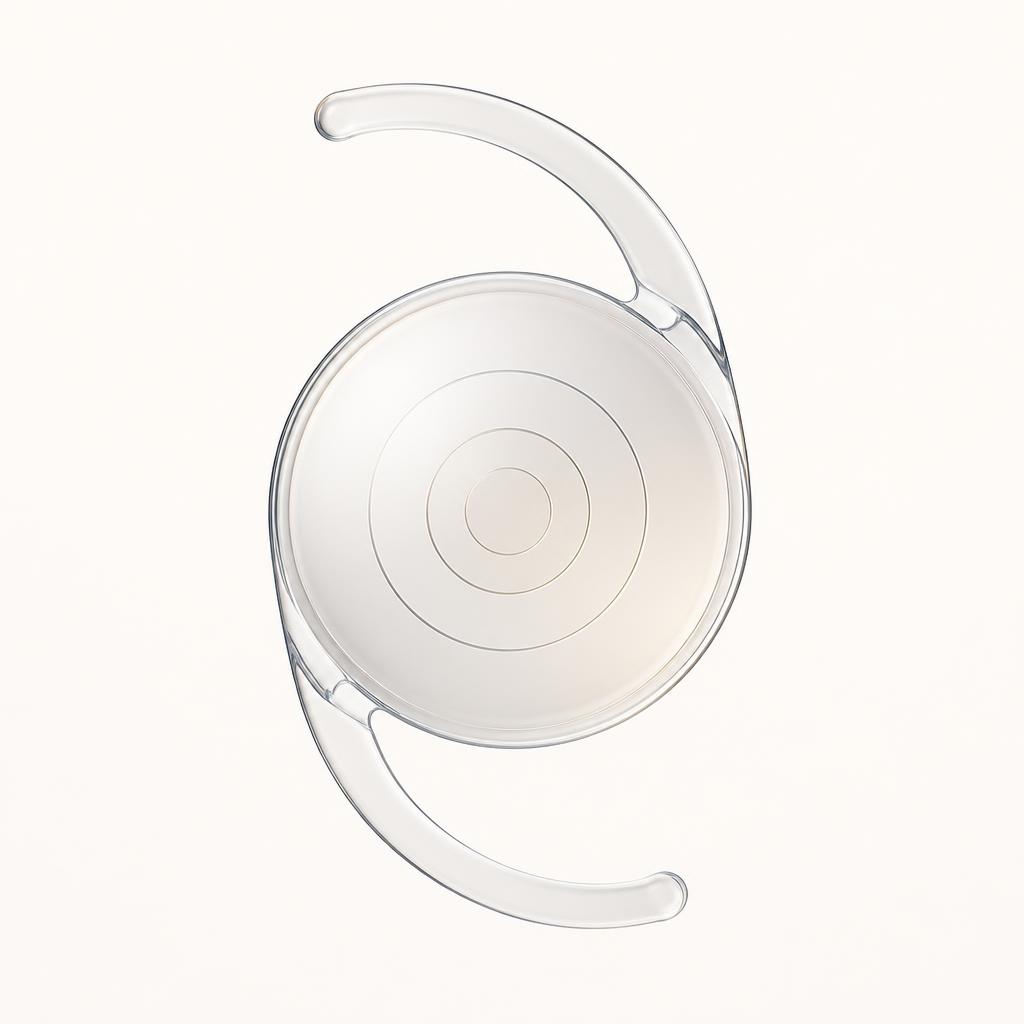
The surgeon makes a tiny incision at the edge of the cornea. Through this opening, the natural lens is softened and removed using ultrasound, and a clear artificial intraocular lens (IOL) is folded and placed inside the eye. The incision is so small that it usually seals without stitches.
The eye is fully anaesthetised, so you remain comfortable throughout. The procedure typically takes 10–15 minutes per eye, and you are awake and able to communicate with the surgical team.
What you may feel afterwards
After the anaesthetic drops wear off, most people notice a gritty, scratchy or watery sensation rather than pain. This is similar to the feeling of having an eyelash in the eye and usually settles within a few hours to a day or two.
Some patients report mild light sensitivity, redness or a slight headache. These symptoms are normal in the first 48 hours and are managed with lubricating drops and, if needed, simple over-the-counter pain relief such as paracetamol.
When stronger sensations are normal
It is common to experience:
- A foreign-body sensation for 24–48 hours
- Mild aching around the eye or temple
- Sensitivity to bright light and screens
- Watering or a sticky discharge in the first few days
These are all expected parts of the healing process and usually improve quickly.
What would be a warning sign
Severe, worsening pain, sudden loss of vision, or rapidly increasing redness are not typical. If any of these occur, the practice should be contacted urgently so a surgeon can examine the eye. Serious complications after lens replacement are uncommon, but they need to be assessed promptly.
How surgeons keep discomfort low
Surgeons minimise discomfort in several ways: careful patient selection, gentle surgical technique, modern small-incision technology, and clear aftercare instructions. Post-operative drop regimens reduce inflammation and infection risk, which in turn keeps the eye comfortable and healing well.
The bottom line
Lens replacement surgery is not a painful procedure. Most patients describe the experience as pressure and mild irritation rather than pain, and any post-operative discomfort is usually short-lived and easy to manage. The long-term benefit of clear, spectacle-free vision for many patients makes the brief recovery very worthwhile.
Book a consultation
If you are considering lens replacement surgery and want to discuss what to expect, Ms Tahmina Pearsall offers consultant-led assessments across 17 UK locations. Contact your nearest clinic to arrange a full suitability assessment.
Explore more on Patient guides
Related reading
- Can I have lens replacement surgery after laser eye surgery?
Ms Pearsall explains whether previous laser eye surgery rules out lens replacement, and when it can be the right next step.
- Am I eligible for laser eye surgery?
Ms Pearsall explains who is typically suitable for laser eye surgery, and which health, age or eye factors may mean another option is better.
- Can I have laser eye surgery twice?
Ms Pearsall explains whether a second laser procedure is possible, when it may be appropriate, and what alternatives exist if more corneal treatment is not advisable.
- Am I eligible for lens replacement surgery?
Ms Pearsall outlines who is typically suitable for lens replacement surgery, and which health or eye factors may mean another option is better.
Keep reading
Ready to discuss your options?
Book a private consultation with Ms Tahmina Pearsall, or call our secretary directly — mention this article and we'll pull up the treatment details for you.
Prefer to read first? 10 questions to ask your cataract surgeon
Newsletter
Stay informed about your eye health
Get expert articles, clinic news and treatment updates from Dr Tahmina Pearsall — straight to your inbox.