
Eye Conditions
Blepharitis: a practical guide to managing eyelid inflammation
Struggling with sore, gritty or irritated eyes? Speak to Ms Pearsall's team — free, no obligation.
Blepharitis is one of the most common causes of sore, irritated eyes. It is inflammation of the eyelid margins, usually where the eyelashes grow, and it is often linked to problems with the oil glands inside the eyelids. It can be uncomfortable, persistent and frustrating, but the good news is that it is very manageable with the right daily routine. Most people can control their symptoms well without needing repeated courses of medication.
What is blepharitis?
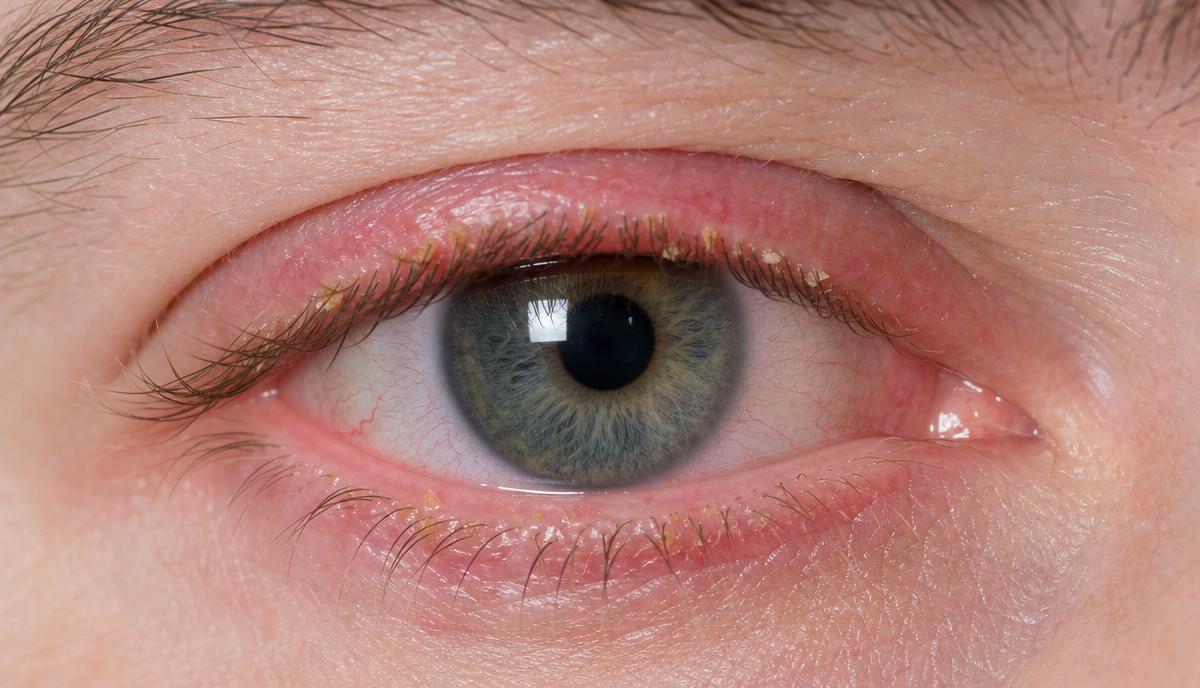
Blepharitis is inflammation of the edges of the eyelids. The eyelids contain tiny oil glands called meibomian glands, which produce the oily layer of the tear film. When these glands become blocked or inflamed, the tears evaporate too quickly and the eyelid margins become irritated. The condition can be associated with bacteria on the skin, a type of dandruff called seborrhoeic dermatitis, or a tiny mite called Demodex that lives in the eyelash follicles.
Blepharitis is usually a long-term condition. It tends to flare up and settle down, rather than disappearing completely. The goal of treatment is not to cure it permanently but to keep it under control so that symptoms are minimal and the eyes stay comfortable.
Common symptoms
The symptoms of blepharitis vary from mild to quite troublesome. They often include:
- Red, swollen or crusty eyelid margins
- Itchy or burning eyes
- A gritty or foreign-body sensation
- Watery or dry eyes
- Flaking or crusting around the eyelashes
- Sensitivity to light
- Blurred vision that improves with blinking
Some people wake up with their eyelids stuck together, especially in the morning. If you wear contact lenses, blepharitis can make them uncomfortable and increase the risk of infection.
Daily warm compresses
The cornerstone of blepharitis management is warmth. Warm compresses help melt the thick oil inside the blocked meibomian glands and improve the flow of the oily tear layer. This reduces irritation and helps the tear film work better.
Use a clean, warm washcloth or a reusable eye mask warmed according to the instructions. Place it over your closed eyes for five to ten minutes once or twice a day. The warmth should be gentle but effective. After warming, gently massage the eyelids by rolling a clean finger from the inner corner to the outer corner along the lid margin. This helps express the softened oils.
Lid cleaning and hygiene
After the warm compress, clean the eyelid margins. The aim is to remove crusts, debris and excess bacteria from the base of the eyelashes. You can use a commercial lid wipe or a clean cotton pad soaked in warm water or a diluted baby shampoo solution. Some people prefer specific lid cleansers designed for sensitive eyes.
Close your eyes and gently wipe along the lid margin from the inner corner to the outer corner. Be careful not to scrub too hard. Repeat for the other eye with a fresh pad. Do this once or twice a day, depending on how severe your symptoms are. Keeping your eyelids clean is one of the most effective ways to prevent flare-ups.
Managing associated skin conditions
Blepharitis often goes hand in hand with dandruff, rosacea or seborrhoeic dermatitis. If you have flaky skin on your scalp or face, managing that condition can improve your eyelids too. Regular washing with a gentle shampoo, avoiding heavy eye makeup, and replacing eye makeup that is old or contaminated can all help. Demodex mites can also contribute to blepharitis in some people, and tea tree oil-based lid cleansers may be recommended in these cases.
Lubricating drops and lifestyle changes
Lubricating eye drops, or artificial tears, can help relieve the gritty, dry feeling that comes with blepharitis. Preservative-free drops are best if you need to use them frequently. Omega-3 supplements may help some people by improving the quality of the oily tear layer, though the evidence is mixed. Reducing screen time, taking regular breaks, and avoiding smoky or windy environments can also reduce symptoms.
When to see a specialist
If your symptoms do not improve after two to four weeks of consistent lid hygiene, or if they become worse, you should see an eye specialist. You should also seek urgent advice if you have severe pain, a sudden drop in vision, marked redness of the eye, or a suspected infection. These are not typical of uncomplicated blepharitis and need a different assessment.
A specialist can examine your eyelids under magnification, check the meibomian glands, and look for signs of associated dry eye or other conditions. They may recommend treatments such as antibiotic ointments, steroid drops for short-term inflammation, oral antibiotics in more severe cases, or in-office treatments such as meibomian gland expression or intense pulsed light therapy.
What treatments may be prescribed?
For mild blepharitis, home treatment is usually enough. If symptoms are more persistent, your eye specialist may prescribe an antibiotic ointment to apply to the lid margins for a few weeks. Short courses of steroid drops or ointments can calm inflammation, but they must be used under supervision because of the risk of raised eye pressure and cataracts with long-term use.
In more severe or resistant cases, oral antibiotics such as a low-dose tetracycline may be used for their anti-inflammatory effect on the oil glands. In-office treatments, including thermal pulsation and intense pulsed light, can improve meibomian gland function and provide longer-lasting relief for some patients.
Living with blepharitis
Blepharitis is a chronic condition, which means it can come back. The key is to keep up with a simple daily routine even when your eyes feel fine. Stopping lid hygiene too early often leads to a recurrence. Many people find that five to ten minutes of warm compresses and lid cleaning once a day is enough to keep symptoms under control long-term.
Next steps
If you have sore, crusty or irritated eyelids, start a regular routine of warm compresses and gentle lid cleaning. Use lubricating drops if your eyes feel dry, and avoid eye makeup and contact lenses until the symptoms settle. If symptoms persist or worsen after a few weeks, book an appointment with an eye specialist. With the right management, blepharitis is a very controllable condition and your eyes can stay comfortable.
Explore more on Eye Conditions
Related reading
Medical ophthalmology — consultant diagnosis & second opinions- Can you leave cataracts untreated?
What happens if you do nothing about cataracts, and when delaying surgery stops being a good idea.
- What is 20/20 vision?
A simple explanation of what 20/20 means, how visual acuity is measured, and why it is not the whole story.
- What causes blurred vision?
The common and serious causes of blurred vision, and when to seek an urgent eye examination.
- Presbyopia in your 40s: reading glasses aren't your only option
How modern trifocal lenses can restore near, intermediate and distance vision in a single procedure.
Keep reading
Ready to discuss your options?
Book a private consultation with Ms Tahmina Pearsall, or call our secretary directly — mention this article and we'll pull up the treatment details for you.
Prefer to read first? 10 questions to ask your cataract surgeon
Newsletter
Stay informed about your eye health
Get expert articles, clinic news and treatment updates from Dr Tahmina Pearsall — straight to your inbox.