
Aftercare
Can I have lens replacement if I am a snooker player?
Considering lens replacement? Find out if you're suitable before paying for anything — free, no-obligation call.
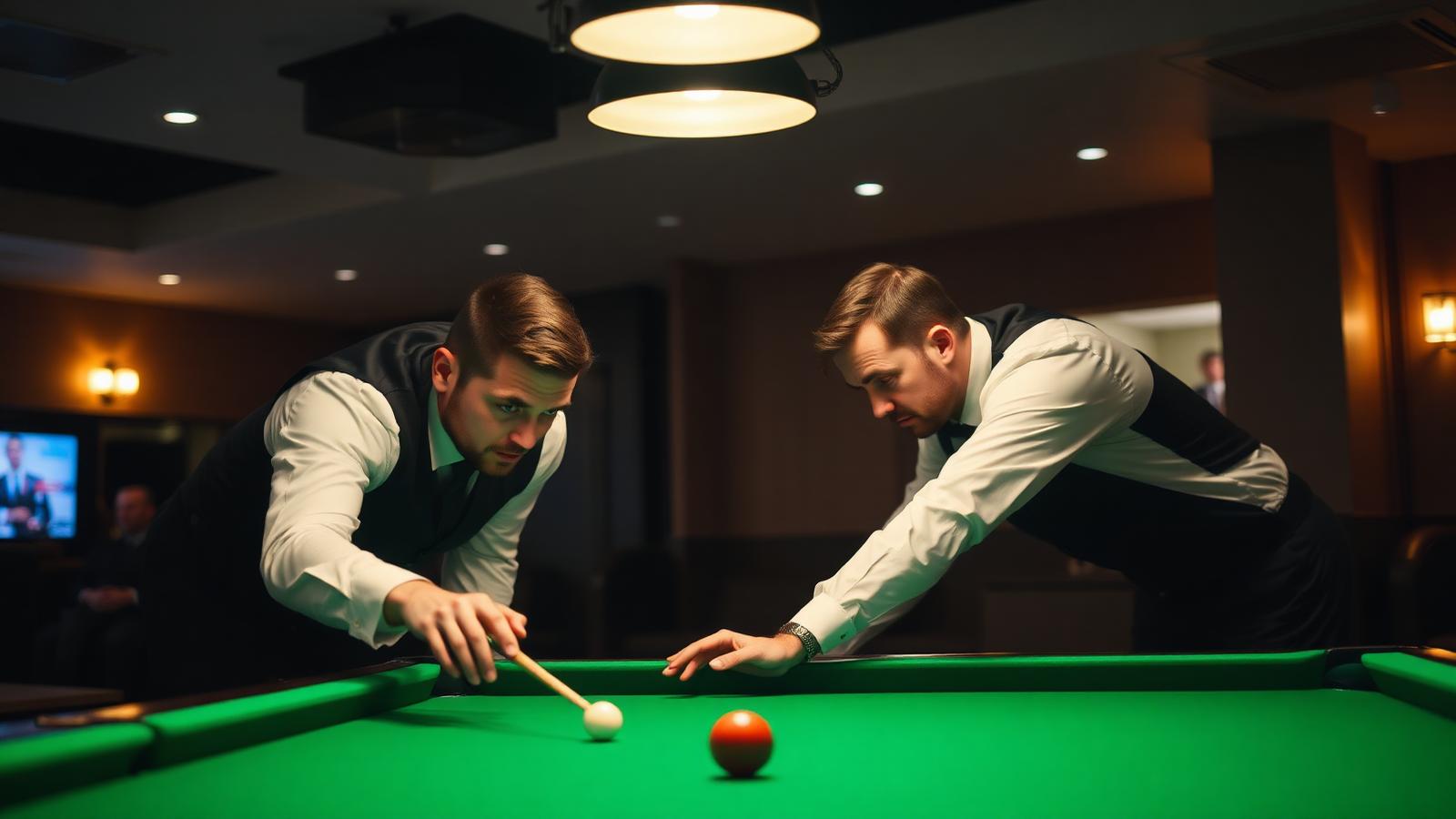
Snooker is a sport that places extraordinary demands on the eyes. Players spend hours focusing on a small white cue ball, judging tiny angles, reading subtle table contours, and tracking balls across a large expanse under bright, often variable lighting. If you are a snooker player considering lens replacement surgery — also called refractive lens exchange (RLE) — the good news is that the procedure is generally suitable. However, there are specific timing and lens-choice considerations that matter more for cue sports than for many other activities.
How lens replacement affects snooker vision
Lens replacement removes the eye's natural lens and replaces it with a clear artificial intraocular lens. The surgery is almost identical to cataract surgery and is usually performed as a day case under local anaesthetic with sedation. Vision settles over days to weeks, and most people notice a significant improvement in clarity once the eye has healed.
For snooker, the key visual requirements are sharp distance vision down the table, good contrast sensitivity to see the balls clearly against the baize, stable depth perception for judging angles and cue-ball paths, and the ability to cope with overhead lighting and reflections. Any lens replacement will improve vision if your natural lens has become cloudy or presbyopic, but the type of lens you choose can influence how your snooker game feels afterwards.
Monofocal lenses for snooker players
A monofocal lens is set to give clear vision at one distance, usually far distance. This is an excellent choice for snooker because it provides the sharpest, most predictable optics with minimal glare or halos. Most professional and serious amateur players value distance clarity above all else, and a monofocal lens set for distance will usually give the cleanest possible view down the table.
The trade-off is that you will need reading glasses for near tasks such as checking your phone, reading a scorecard or looking at close-up objects. For snooker itself this is rarely a problem, since the action is at distance and intermediate range. Many players find a monofocal distance lens feels the most natural for cue sports.
Multifocal, trifocal and EDOF lenses
Premium lenses, including multifocal, trifocal and extended depth-of-focus (EDOF) lenses, are designed to reduce dependence on glasses by splitting light across multiple focal points. They can give useful near, intermediate and distance vision without readers, which is attractive for everyday life.
For snooker players, however, these lenses require more careful thought. Because they split light, they can cause subtle optical effects such as halos, glare or reduced contrast sensitivity, particularly in the first few weeks after surgery. Overhead table lighting, bright spotlights and the high-contrast environment of a snooker hall can make these effects more noticeable. Depth perception can also feel slightly different while the brain adapts to the new optics.
That does not mean multifocal lenses are unsuitable for snooker players. Many players adapt well and are delighted with the overall convenience. It does mean you should discuss your sport honestly with your surgeon, allow extra time for neural adaptation, and avoid returning to competitive play until your vision feels stable.
When can you return to snooker after lens replacement?
In the first week after surgery you should avoid all cue sports. The eye wound is sealing, the infection risk is highest, and your vision will still be misty. You should not lean over the table, strain, or expose the eye to dusty club environments.
Light practice, such as gentle cueing without heavy pressure or long sessions, may be possible around two to three weeks after uncomplicated surgery, provided your surgeon has confirmed good healing. A full return to competitive play, long practice sessions and match conditions is usually best delayed until around four to six weeks, or longer if you have a premium lens.
The reason for the longer timeline is not just physical healing. Snooker relies on precise visual judgement, and your brain needs time to learn the new optics — especially if you have a multifocal or EDOF lens. Returning too early can be frustrating and may affect your confidence and safety.
Specific risks for snooker players
The cue sport posture itself carries some risk during early recovery. Leaning forward with your head low over the cue can increase pressure around the eye. The bridge hand position and the rubbing action against the cloth can transfer dust or fibres to the fingers and then to the eye. Long sessions under bright lights can cause dryness and eye strain. And the mental concentration required can make you less aware of early symptoms such as grittiness or watering.
To reduce these risks, wash your hands before touching your face or eye drops, avoid rubbing the operated eye, use lubricating drops as advised, take regular breaks, and wear any protective eyewear your clinic recommends. If the club environment is particularly dusty or smoky, consider delaying your return.
What to tell your surgeon
Tell your surgeon that you play snooker, how often you play, whether you compete, and whether you have any specific visual concerns such as glare under table lights or difficulty tracking the ball. This information helps guide lens selection and sets realistic expectations for your recovery timeline.
Also mention any other eye conditions, such as dry eye, blepharitis, glaucoma or macular disease, as these can influence both lens choice and healing. A thorough pre-operative assessment, including measurements of corneal health and tear film quality, is especially important for active snooker players.
Next steps
Lens replacement surgery is generally a good option for snooker players who want clearer vision without the limitations of cataracts or strong reading glasses. A monofocal distance lens is often the most predictable choice for cue sports, while premium lenses can work well if you allow enough time for adaptation. Plan for at least two to three weeks away from light practice and four to six weeks away from competitive play, and always follow your surgeon's personalised advice. If snooker is an important part of your life, make sure your clinic knows — it should be part of the conversation about the best lens and recovery plan for you.
Explore more on Aftercare
Related reading
Consultant-led cataract & lens surgery — book a consultation- Dos and Don'ts after cataract surgery
Practical advice for the days and weeks after cataract surgery to protect your eye and get the best result.
- What to expect in the first 48 hours after cataract surgery
Aftercare, symptoms and simple habits that support a smooth recovery from cataract removal.
- Getting back to your routine after cataract surgery
When you can return to work, driving, exercise, housework and daily life after cataract surgery, with practical recovery tips.
- When can I play golf after cataract surgery?
How soon you can return to golf after cataract surgery, what precautions to take, and when it is safe to swing, bend and play a full round.
Keep reading
West Midlands
Book a consultation in Birmingham
Ms Tahmina Pearsall FRCOphth sees Birmingham patients for lens replacement and private cataract surgery, with fixed written quotes from £2,750 per eye and 12 months of consultant aftercare included.
Also seeing patients in
Ready to discuss your options?
Book a private consultation with Ms Tahmina Pearsall, or call our secretary directly — mention this article and we'll pull up the treatment details for you.
Prefer to read first? 10 questions to ask your cataract surgeon
Newsletter
Stay informed about your eye health
Get expert articles, clinic news and treatment updates from Dr Tahmina Pearsall — straight to your inbox.