
Eye Conditions
Looking after your eyes in the sun
Questions about your own eyes? Speak to Ms Pearsall's team — free, no obligation. UK private patients.
Most people know that too much sun can damage the skin, but fewer realise that ultraviolet (UV) light can also harm the eyes. Long-term UV exposure is linked to several eye conditions, including cataracts, age-related macular degeneration, pterygium and certain cancers on the eyelid or surface of the eye. Protecting your eyes from the sun is one of the simplest and most effective things you can do to preserve your sight.
Why UV light matters
UV light is divided into UVA and UVB rays. Both can reach the eye and cause damage over time. UVB rays are partially absorbed by the cornea, but UVA rays penetrate deeper, reaching the lens and retina. Cumulative exposure throughout life adds up, which is why protecting your eyes from childhood onwards is so important.
You do not need to be abroad or on a beach to be exposed. UV is present on cloudy days, in winter, and reflected off water, snow, sand, concrete and tarmac. This means eye protection is relevant all year round, not just on bright summer days.
What to look for in sunglasses
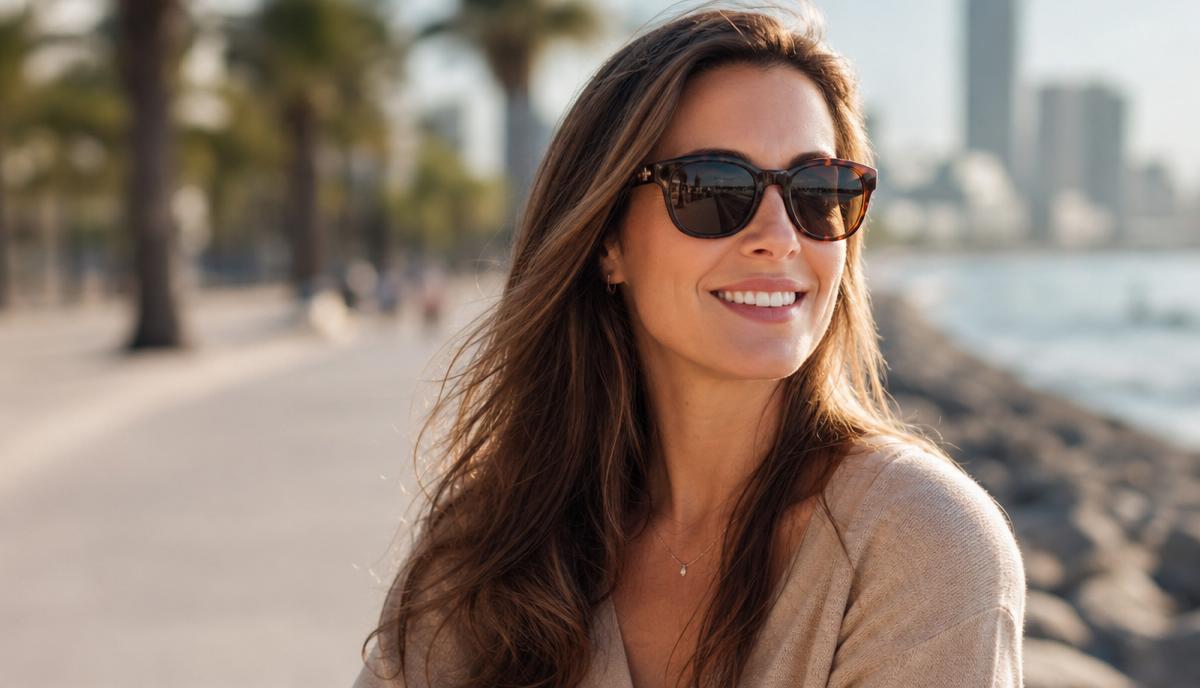
Not all sunglasses offer equal protection. The most important feature is the UV filter. Look for sunglasses labelled as blocking 99 to 100 per cent of UVA and UVB rays, or marked with a UV400 rating. This means they block rays up to 400 nanometres, which covers both UVA and UVB.
The colour and darkness of the lens does not tell you how much UV is blocked. A dark lens without proper UV protection can actually be worse than no sunglasses at all, because it causes the pupil to dilate and let in more UV. Always check the label or ask an optician.
Wraparound and larger frames offer better protection because they reduce UV entering from the sides. Polarised lenses reduce glare, which is helpful for driving and water sports, but polarisation does not equal UV protection. You need both.
Prescription glasses and UV protection
If you wear prescription glasses, ask about UV-blocking lenses. Many modern lenses include built-in UV protection, even clear ones. Photochromic lenses darken in sunlight and can be a convenient option for everyday use, although they may not darken fully inside a car. Separate prescription sunglasses are a good alternative for bright days.
Contact lenses do not cover the whole eye and do not replace sunglasses. Some contact lenses offer UV-blocking properties, but they protect only the area under the lens, not the conjunctiva, eyelids or surrounding skin.
Protecting children's eyes
Children's eyes are more vulnerable to UV because their lenses are clearer and allow more UV to reach the retina. Encouraging children to wear sunglasses and hats from an early age is one of the best habits for lifelong eye health. Choose shatter-resistant lenses and well-fitting frames that are comfortable enough to be worn outdoors.
Other ways to protect your eyes
A wide-brimmed hat can block up to 50 per cent of UV reaching the eyes. Seeking shade during the brightest part of the day, especially between 11am and 3pm, reduces exposure. Avoid looking directly at the sun, and never use sunglasses or homemade filters to view a solar eclipse. If you work outdoors or participate in water or snow sports, consider specialised protective eyewear.
Dry eye and sun exposure
Bright sun, wind and heat can all worsen dry eye symptoms. If your eyes feel gritty, watery or irritated after being outside, lubricating drops and wraparound sunglasses can help. Staying hydrated and taking breaks from air-conditioned or heated environments also supports the tear film.
When to get checked
If you notice persistent changes in your vision, increased sensitivity to light, new lumps or bumps on the eyelids, or any eye discomfort that does not settle, book an eye examination. Many sun-related eye conditions develop slowly and can be managed effectively if detected early.
Next steps
Check your sunglasses for a UV400 or 100 per cent UV protection label, and make sure they fit well. If you do not currently own proper UV-protective sunglasses, this is a worthwhile investment for your long-term eye health. For advice on prescription sun options or specialist outdoor eyewear, book an eye examination and ask your optician or ophthalmologist.
Explore more on Eye Conditions
Related reading
Medical ophthalmology — consultant diagnosis & second opinions- Can you leave cataracts untreated?
What happens if you do nothing about cataracts, and when delaying surgery stops being a good idea.
- What is 20/20 vision?
A simple explanation of what 20/20 means, how visual acuity is measured, and why it is not the whole story.
- What causes blurred vision?
The common and serious causes of blurred vision, and when to seek an urgent eye examination.
- Presbyopia in your 40s: reading glasses aren't your only option
How modern trifocal lenses can restore near, intermediate and distance vision in a single procedure.
Keep reading
Ready to discuss your options?
Book a private consultation with Ms Tahmina Pearsall, or call our secretary directly — mention this article and we'll pull up the treatment details for you.
Prefer to read first? 10 questions to ask your cataract surgeon
Newsletter
Stay informed about your eye health
Get expert articles, clinic news and treatment updates from Dr Tahmina Pearsall — straight to your inbox.