
Eye Health
Understanding dry eyes and menopause
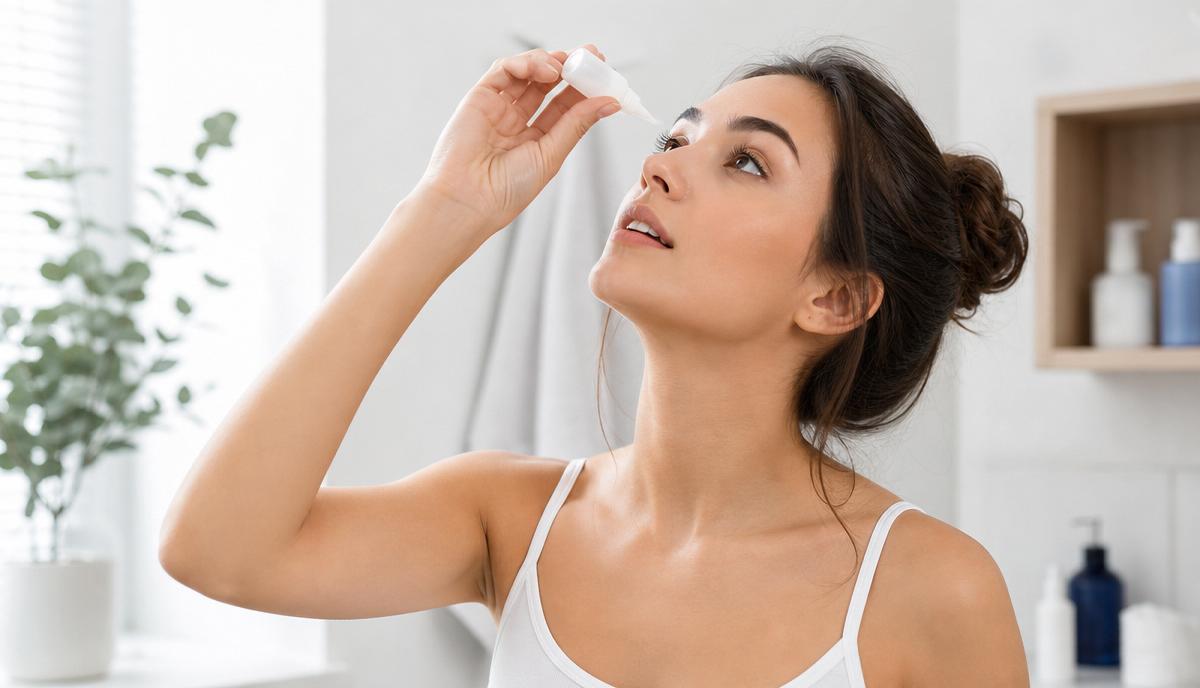
Struggling with sore, gritty or irritated eyes? Speak to Ms Pearsall's team — free, no obligation.
Many women in their forties and fifties notice that their eyes feel drier, grittier or more tired than they used to — often at the same time as hot flushes, disturbed sleep or joint aches. This is not a coincidence. Dry eye is one of the most under-recognised symptoms of perimenopause and menopause, and it affects roughly half of women going through this stage of life.
Why menopause changes your eyes
The tear film is a delicate, three-layered fluid: an oily outer layer produced by the meibomian glands in the eyelids, a watery middle layer from the lacrimal glands, and a mucous inner layer that helps the tears spread evenly. All three layers are influenced by sex hormones — particularly oestrogen and androgens. As these hormones fall during perimenopause and menopause, the meibomian glands produce less high-quality oil, the tears evaporate faster, and the ocular surface becomes inflamed.
The result is classic dry eye disease: a gritty, sandy, burning sensation, fluctuating vision, tired eyes at the end of the day, and paradoxically watery eyes (the surface is so irritated that reflex tears are triggered). Contact lens wear often becomes uncomfortable, and screen work makes everything worse because we blink less when we concentrate.
Symptoms to watch for
- Gritty, sandy or burning eyes, particularly in the morning or late in the day
- Fluctuating or blurred vision that clears when you blink
- Sensitivity to wind, air-conditioning, screens and bright light
- Red, tired-looking eyes
- Reflex watering — episodes of streaming eyes that feel unrelated to emotion
- Contact lens intolerance, or a new inability to wear them for a full day
What helps
The good news is that menopausal dry eye is very treatable once it is recognised. A stepped approach works well for most women:
- Preservative-free lubricating drops used regularly (not just when symptoms flare). Look for lipid-containing drops if evaporation is the main problem.
- Warm compresses and lid hygiene to keep the meibomian glands flowing — a warm mask for 10 minutes each morning makes a real difference.
- Omega-3 supplements (roughly 2g EPA/DHA daily) have good evidence for improving tear quality over 8–12 weeks.
- Screen habits — the 20-20-20 rule (every 20 minutes, look 20 feet away for 20 seconds), lower screen height, and a humidifier in dry offices.
- In-clinic treatments — intense pulsed light (IPL) therapy and LipiFlow-style meibomian gland expression can be transformative for moderate-to-severe evaporative dry eye. Punctal plugs can be used if the tears themselves are too sparse.
- Prescription drops — short courses of anti-inflammatory drops (ciclosporin, lifitegrast) calm the surface inflammation that drives chronic dry eye.
Menopause is a whole-body event — treat it that way
Dry eye rarely travels alone. If you are noticing eye symptoms, you are likely also experiencing changes in sleep, mood, energy, joint comfort or vaginal and urinary health. Treating menopause holistically — with a specialist who can consider HRT, lifestyle and targeted supplementation — often improves eye symptoms alongside everything else. HRT is not a guaranteed fix for dry eye, but well-managed hormonal support can reduce inflammation and improve tear quality for many women.
For expert menopause care, we recommend Pause & Co Healthcare — a clinic led by Menopause Specialist Dr Nadira Awal. They provide personalised assessment, HRT reviews and lifestyle guidance to help you feel like yourself again. You can reach them on 0121 314 6774 or by email at info@pauseandcohealthcare.com.
When to see an ophthalmologist
If you have persistent gritty or blurry eyes, cannot wear contact lenses any more, are relying on drops multiple times a day, or notice sudden changes in vision, arrange a proper eye assessment. A consultant ophthalmologist can measure tear film quality, examine the meibomian glands under high magnification, exclude other causes (blepharitis, allergy, rosacea, autoimmune dry eye) and build a treatment plan tailored to your stage of life.
Menopausal dry eye is common, it is real, and it is very treatable — you do not have to just put up with it.
Frequently asked questions
- Can HRT improve dry eye symptoms?
- For many women, yes — well-managed hormone replacement therapy can improve tear quality and reduce ocular surface inflammation. It is not a guaranteed cure and works best alongside lid hygiene, lubricants and, where needed, in-clinic treatments. HRT decisions should be made with a menopause specialist such as Dr Nadira Awal at Pause & Co Healthcare.
- Are eye drops enough on their own?
- Mild dry eye often responds to preservative-free lubricants alone. Moderate or severe cases usually need a combination of lubricants, warm compresses, omega-3s and sometimes in-clinic treatments such as IPL. Drops alone rarely address the underlying meibomian gland dysfunction.
- Will menopausal dry eye get worse over time?
- Without treatment, dry eye tends to become chronic and progressive. With a stepped treatment plan — hormonal support if appropriate, lid hygiene, omega-3s and targeted in-clinic therapy — most women see significant and lasting improvement.
- Can I still wear contact lenses through menopause?
- Many women can, but often only with a change of lens material, a wetting solution, or a reduced wearing schedule. If your lenses have become uncomfortable, treat the underlying dry eye first — do not just push through it, as chronic irritation can damage the ocular surface.
Explore more on Eye Health
Related reading
- What is the best diet for eye health?
A guide to the nutrients, foods and eating habits that support healthy vision and reduce the risk of common eye conditions.
- Menopause and your eyes: what every woman should know
Beyond dry eye — how menopause affects vision, cataract risk, glaucoma and eye comfort, and how a joined-up approach to menopause and eye care protects your sight for the long term.
- Five golden rules for safe contact lens use
Simple habits every contact lens wearer should follow to reduce the risk of infection, dry eye and long-term corneal damage.
Keep reading
Ready to discuss your options?
Book a private consultation with Ms Tahmina Pearsall, or call our secretary directly — mention this article and we'll pull up the treatment details for you.
Prefer to read first? 10 questions to ask your cataract surgeon
Newsletter
Stay informed about your eye health
Get expert articles, clinic news and treatment updates from Dr Tahmina Pearsall — straight to your inbox.