
Eye Health
Menopause and your eyes: what every woman should know
Questions about your own eyes? Speak to Ms Pearsall's team — free, no obligation. UK private patients.
Menopause is not just about hot flushes and mood changes — it is a whole-body hormonal shift that reaches every tissue, including the eye. Oestrogen and androgen receptors are present on the cornea, lens, retina and meibomian glands, which is why so many women notice a change in their eyes and vision between the ages of 45 and 60.
How menopause affects your eyes
The most common eye change during menopause is dry eye disease, which affects roughly one in two women in this age group. But there are several other important ways menopause interacts with eye health:
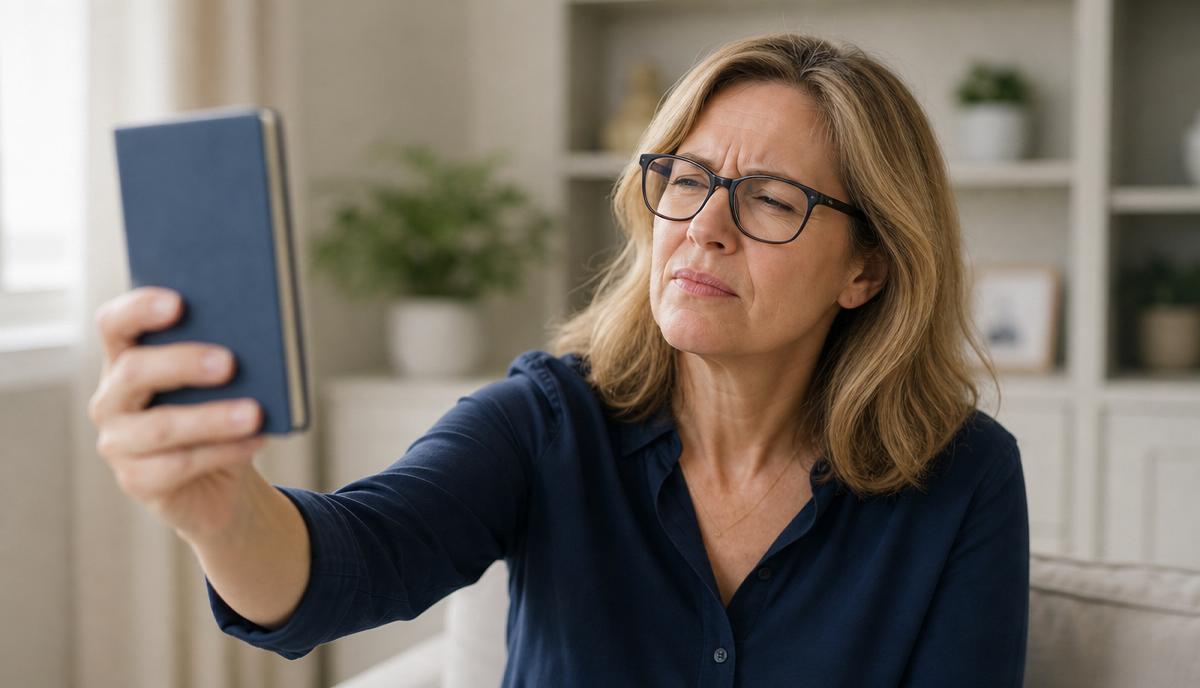
- Vision fluctuation — hormonal shifts can cause small changes in prescription, particularly in the year or two around the menopause. Reading glasses may feel weaker or stronger from month to month.
- Cataract risk — post-menopausal women have a slightly higher long-term risk of cataract, partly because oestrogen has a protective antioxidant role in the lens.
- Glaucoma — early menopause (before age 45) is associated with a modestly higher risk of open-angle glaucoma, so women in this group should have their intraocular pressure checked regularly.
- Migraine with visual aura — some women notice new or worsening visual migraines during perimenopause as hormone levels swing.
- Puffy, tired eyelids — collagen loss around the eyes accelerates during menopause, contributing to under-eye bags, lid heaviness and sometimes a droopy upper lid.
Why a joined-up approach matters
Because eye symptoms during menopause overlap so much with the general symptoms of hormonal change, women are often bounced between opticians, GPs and eye clinics without anyone joining the dots. A better approach is to look at menopause and eye health together: a menopause specialist can review your overall hormonal picture and consider HRT where appropriate, while an ophthalmologist can look after the ocular surface, screen for glaucoma and monitor early lens changes.
If you would like expert menopause support alongside your eye care, we recommend Pause & Co Healthcare, led by Menopause Specialist Dr Nadira Awal. Their team offers personalised menopause assessments, HRT guidance and lifestyle support.
Pause & Co Healthcare — Email: info@pauseandcohealthcare.com · Phone: 0121 314 6774
What to do now
- Book a full eye check every 1–2 years from age 45, sooner if you notice symptoms.
- Ask specifically for a dry eye assessment if your eyes feel gritty, tired or watery.
- Have your intraocular pressure checked — especially if your menopause was early or you have a family history of glaucoma.
- Treat menopause as a whole-body event with a specialist you trust, not a symptom-by-symptom problem.
Vision changes during menopause are extremely common, but very few are inevitable. With a joined-up plan, most women can move through menopause with comfortable eyes and clear, stable sight.
Frequently asked questions
- Does menopause cause cataracts?
- Menopause does not directly cause cataracts, but the fall in oestrogen removes some of its protective antioxidant effect on the lens, and post-menopausal women have a slightly higher long-term cataract risk. Cataract typically develops over years and is very treatable when it starts to affect daily life.
- Should I have my eye pressure checked more often after menopause?
- Yes, particularly if your menopause was before age 45 or you have a family history of glaucoma. An annual or biennial check with an optometrist or ophthalmologist is a sensible baseline for most post-menopausal women.
- Can HRT protect my eyes?
- The evidence is mixed but reassuring — HRT does not appear to increase eye disease risk and, for many women, improves dry eye symptoms and general ocular comfort. Decisions about HRT should be made with a menopause specialist based on your overall health picture.
Explore more on Eye Health
Related reading
- What is the best diet for eye health?
A guide to the nutrients, foods and eating habits that support healthy vision and reduce the risk of common eye conditions.
- Understanding dry eyes and menopause
How falling oestrogen and androgen levels during perimenopause and menopause change tear chemistry — and what you can do about the gritty, tired, blurry eyes that follow.
- Five golden rules for safe contact lens use
Simple habits every contact lens wearer should follow to reduce the risk of infection, dry eye and long-term corneal damage.
Keep reading
Ready to discuss your options?
Book a private consultation with Ms Tahmina Pearsall, or call our secretary directly — mention this article and we'll pull up the treatment details for you.
Prefer to read first? 10 questions to ask your cataract surgeon
Newsletter
Stay informed about your eye health
Get expert articles, clinic news and treatment updates from Dr Tahmina Pearsall — straight to your inbox.