
Eye Health
Five golden rules for safe contact lens use
Questions about your own eyes? Speak to Ms Pearsall's team — free, no obligation. UK private patients.
Contact lenses are a safe and convenient way to correct vision when used correctly, but they are not risk-free. Poor hygiene, overwear, and missing routine checks are the main reasons people develop contact lens-related problems. The good news is that most of these problems are preventable. Following five simple rules can make contact lens wear much safer and more comfortable for years to come.
Rule 1: Wash and dry your hands before handling lenses
This is the most basic rule and the most important one. Your hands carry bacteria, dirt, oils and cosmetic products that can transfer to the lens and then to your eye. Before putting lenses in or taking them out, wash your hands thoroughly with soap and water, rinse well, and dry them with a clean, lint-free towel. Even a small amount of water or soap residue can irritate the eye or introduce germs.
Try to handle lenses with the pads of your fingers rather than the fingertips, and avoid touching the lens with long nails or sharp edges. If you drop a lens, clean and rinse it with the recommended solution before putting it back in the eye.
Rule 2: Do not sleep in your lenses unless you are specifically told you can
Sleeping in contact lenses dramatically increases the risk of serious eye infection. When your eyes are closed, the cornea receives less oxygen, and any bacteria on the lens have more time to multiply. Overnight wear can lead to painful infections such as microbial keratitis, which can cause scarring and permanent vision loss.
Only sleep in lenses if your eye care professional has specifically prescribed extended-wear lenses and has told you that overnight wear is safe for you. Even then, regular check-ups are essential. For daily wear lenses, the rule is simple: take them out before you sleep.
Rule 3: Replace your lenses and clean them as directed
Every lens type has a recommended replacement schedule. Daily disposables are worn once and thrown away. Two-weekly or monthly lenses must be cleaned and disinfected every time they are removed. Using lenses longer than recommended, topping up old solution, or reusing daily lenses increases the build-up of deposits, proteins and bacteria on the lens surface.
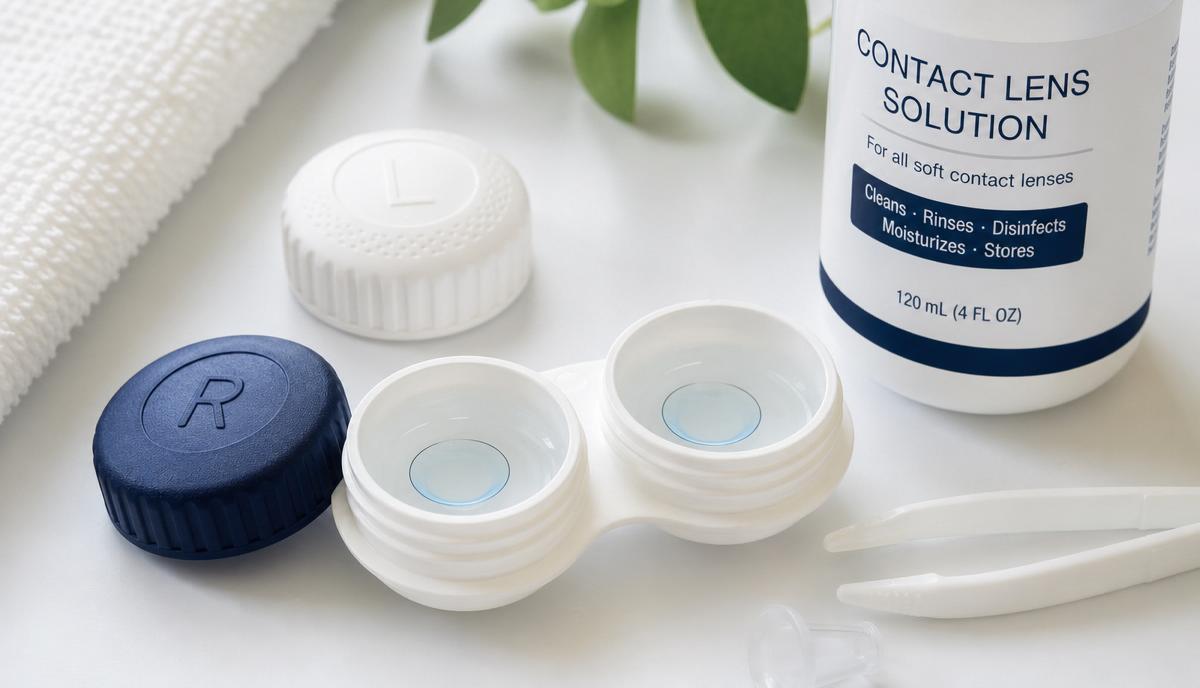
Clean your lens case regularly, replace it at least every three months, and never use tap water, saliva or homemade solutions to clean lenses. Only use the disinfecting solution recommended by your optometrist or ophthalmologist. If your eyes feel uncomfortable, it is better to discard the lens and use a fresh one rather than trying to clean it repeatedly.
Rule 4: Keep lenses away from water
Water and contact lenses do not mix. Tap water, shower water, swimming pools, hot tubs, lakes and seawater can all contain microorganisms that stick to lenses and cause serious infections. The most dangerous organism is Acanthamoeba, which can cause a rare but devastating infection of the cornea.
Never swim, shower, or use a hot tub while wearing contact lenses. If you do get water on your lenses, remove them immediately, clean them thoroughly, or replace them with a fresh pair. For swimming, prescription goggles are a much safer option.
Rule 5: Listen to your eyes and attend regular checks
Your eyes will usually tell you if something is wrong. Redness, pain, blurred vision, light sensitivity, excessive watering, or a gritty feeling are warning signs that should not be ignored. Stop wearing your lenses and contact your eye care professional if these symptoms occur. Many serious infections start with mild discomfort and get worse quickly if left untreated.
Regular contact lens check-ups are important even if your vision feels fine. Your optometrist can check the cornea, tear film, and the fit of the lens. They can also advise whether your current lens type is still the best option for your eyes and lifestyle.
What happens if you break the rules
Minor lapses in hygiene can cause irritation, dryness, or conjunctivitis. More serious lapses can lead to corneal infections, ulcers, or scarring. Some infections, particularly those caused by bacteria or Acanthamoeba, can be sight-threatening and require intensive treatment. The risk is highest in people who sleep in lenses, swim in lenses, or do not clean and replace their lenses properly.
Alternatives if contact lenses are causing problems
If you find that your eyes are frequently dry, red, or uncomfortable with contact lenses, speak to your eye care professional. You may need a different lens material, a different replacement schedule, or better dry eye treatment. Some people find that laser eye surgery or implantable contact lenses reduce their dependence on daily lens wear. Glasses are also a perfectly valid and often safer choice for many situations.
Next steps
Safe contact lens wear is not complicated. Wash your hands, avoid sleeping in lenses, replace them on time, keep them away from water, and pay attention to your symptoms. If you have any concerns about your contact lens habits or the health of your eyes, book a contact lens check-up. Early advice and small changes in routine can prevent serious problems and keep your vision comfortable and clear.
Explore more on Eye Health
Related reading
- What is the best diet for eye health?
A guide to the nutrients, foods and eating habits that support healthy vision and reduce the risk of common eye conditions.
- Understanding dry eyes and menopause
How falling oestrogen and androgen levels during perimenopause and menopause change tear chemistry — and what you can do about the gritty, tired, blurry eyes that follow.
- Menopause and your eyes: what every woman should know
Beyond dry eye — how menopause affects vision, cataract risk, glaucoma and eye comfort, and how a joined-up approach to menopause and eye care protects your sight for the long term.
Keep reading
Ready to discuss your options?
Book a private consultation with Ms Tahmina Pearsall, or call our secretary directly — mention this article and we'll pull up the treatment details for you.
Prefer to read first? 10 questions to ask your cataract surgeon
Newsletter
Stay informed about your eye health
Get expert articles, clinic news and treatment updates from Dr Tahmina Pearsall — straight to your inbox.