
Lens Replacement
Benefits of lens replacement or laser eye surgery for lawn bowling
Wondering if laser eye surgery suits your eyes? Get an honest answer from Ms Pearsall's team — free, no obligation.
Considering laser eye treatment? Speak to consultant Ms Pearsall directly.
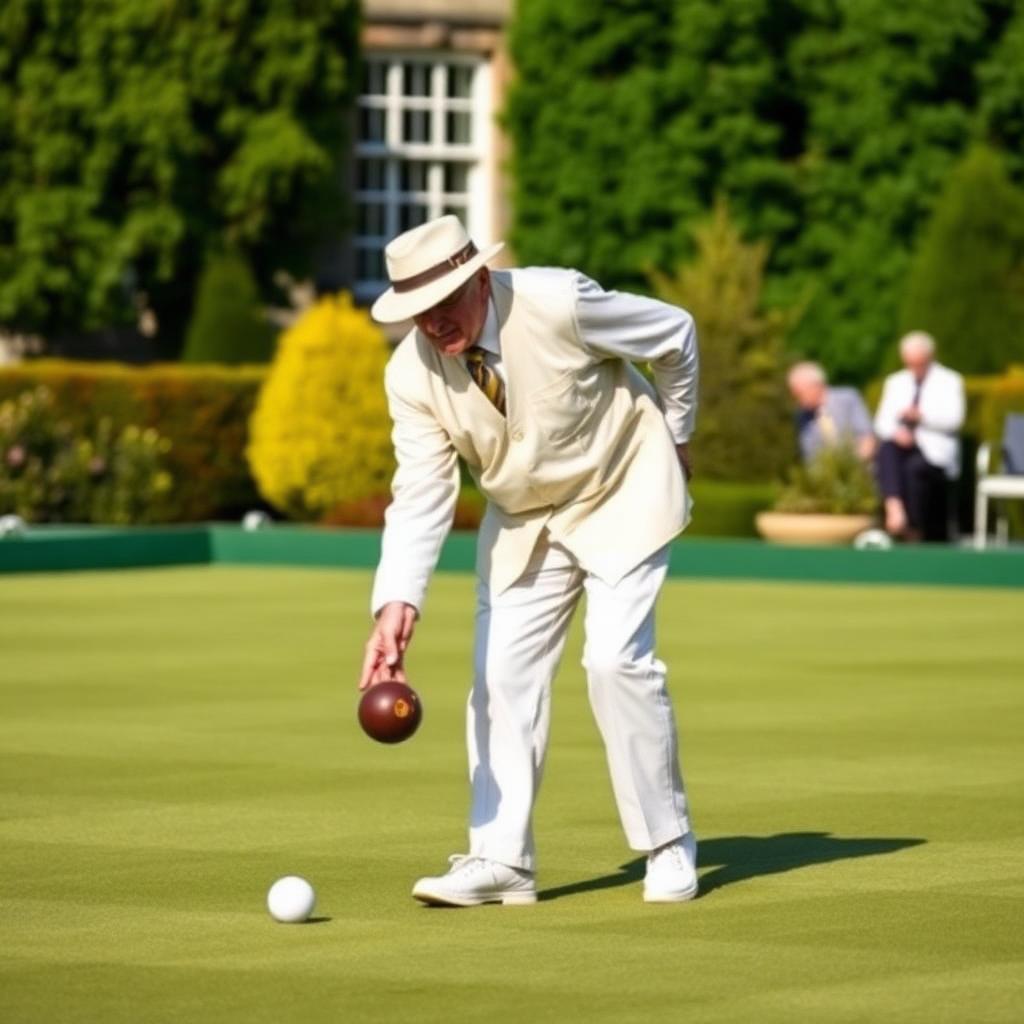
Book a laser eye consultationLawn bowls is a game of precise sight. Reading the head at 30 metres, judging weight and line, following the bowl along the rink and checking the jack all rely on clean, glare-free distance vision. Many bowlers also want to read a scorecard, check a phone or measure a shot up close without switching glasses. Lens replacement and laser eye surgery both make that easier.
This article explains why bowlers are often excellent candidates for refractive surgery, and how Ms Tahmina Pearsall matches the procedure to your game and your eyes.
Why bowlers struggle with glasses
The classic problems on the green are glare from bright sun, fogging in cooler weather, glasses slipping down the nose when you bend to deliver the bowl, and the peripheral distortion of varifocal lenses when you look down at your mat and up at the head. Prescription sunglasses help with sun but not with fog. Photochromic lenses help with light but not with slip.
Laser eye surgery for younger bowlers
For bowlers under 45 with a stable prescription and healthy corneas, LASIK or LASEK gives sharp distance vision for reading the head and the run of the bowl. Off-the-shelf polarised sunglasses can then be worn on the green for glare protection with no prescription needed.
Most bowlers can return to gentle practice around two weeks after LASIK and to club matches at three to four weeks.
Lens replacement for older bowlers
Most lawn bowlers are over 55, and this is where refractive lens exchange comes into its own. It corrects distance vision for reading the head, intermediate vision for the score board and phone, and near vision for the scorecard and measure — with a single procedure. It also removes any early cataract and prevents cataract developing in the future.
Choosing the right lens for the green
- Monofocal lens — set for distance, giving the sharpest possible view of the head and the run of the bowl. Light readers are usually needed for the scorecard.
- EDOF lens — extended focal range covering distance and intermediate. Excellent for reading the head, glancing at the scoreboard and checking a phone or measure. Minimal halos.
- Multifocal / trifocal lens — best chance of being fully glasses-free for the game, the club and the drive home. A small compromise in contrast, which most bowlers do not notice on the green.
For most bowlers, an EDOF or trifocal lens offers the best balance between reading the head, checking the score, and reading a card up close.
Glare, contrast and outdoor light
Glare from bright grass on a summer afternoon is a real issue for bowlers. Modern intraocular lenses filter blue and UV light, which reduces glare compared to a mature cataractous lens. Patients often say the green looks brighter and clearer after surgery, and that judging weight becomes easier because the bowl stands out more clearly against the grass.
Getting back on the green after surgery
Lens replacement and laser eye surgery are day-case procedures. Vision is usually usable within 24–48 hours. Gentle roll-ups are typically fine at around two weeks. Club matches and roll-downs can usually resume at three to four weeks, and county or national competition at four to six weeks, provided healing is uncomplicated.
Next steps
Book a consultation with Ms Tahmina Pearsall to find out whether lens replacement or laser eye surgery is the right choice for your bowls, your eyes and your lifestyle. You will receive a full assessment, an honest recommendation and a written all-inclusive quote.
Frequently asked questions
- Will I still need reading glasses for the scorecard after surgery?
- With an EDOF or multifocal lens, most bowlers read the scorecard comfortably without glasses. With a monofocal lens you may still prefer light readers.
- How long until I can play in a club match?
- Gentle practice usually at around two weeks, club matches at three to four weeks and competitive county or national events at four to six weeks, subject to your surgeon's checks.
- Will lens replacement help me read the head more clearly?
- Yes. Distance vision is usually the sharpest area with any intraocular lens, and removing an early cataract also improves contrast on the green.
- How much does it cost?
- Lens replacement starts from around £2,750 per eye for monofocal and £4,200 for premium multifocal or trifocal lenses. Laser eye surgery starts from around £2,400 per eye. A written all-inclusive quote is provided at consultation.
Explore more on Lens Replacement
Related reading
- Will lens replacement surgery help my golf?
How refractive lens exchange can sharpen your view of the ball, the fairway and the flag — and what golfers should know before booking surgery.
- How good is multifocal lens replacement surgery for golf?
A golfer's guide to multifocal and trifocal lens replacement surgery — how it performs on the fairway, green and in the clubhouse, and who it suits best.
- How good is multifocal lens replacement surgery for snooker?
A snooker player's guide to multifocal lens replacement — how it affects sight down the table, cue-ball focus, lighting and the scorecard, and whether it is the right choice.
- Is lens replacement or cataract surgery good for fishing?
An angler's guide to lens replacement and cataract surgery — spotting the float and the fly, glare off the water, tying knots at dusk, and which lens suits fishing best.
Keep reading
Greater London
Book a consultation in London
Ms Tahmina Pearsall FRCOphth sees London patients for lens replacement and private cataract surgery, with fixed written quotes from £2,750 per eye and 12 months of consultant aftercare included.
Also seeing patients in
Ready to discuss your options?
Book a private consultation with Ms Tahmina Pearsall, or call our secretary directly — mention this article and we'll pull up the treatment details for you.
Prefer to read first? 10 questions to ask your cataract surgeon
Newsletter
Stay informed about your eye health
Get expert articles, clinic news and treatment updates from Dr Tahmina Pearsall — straight to your inbox.