
Eye Conditions
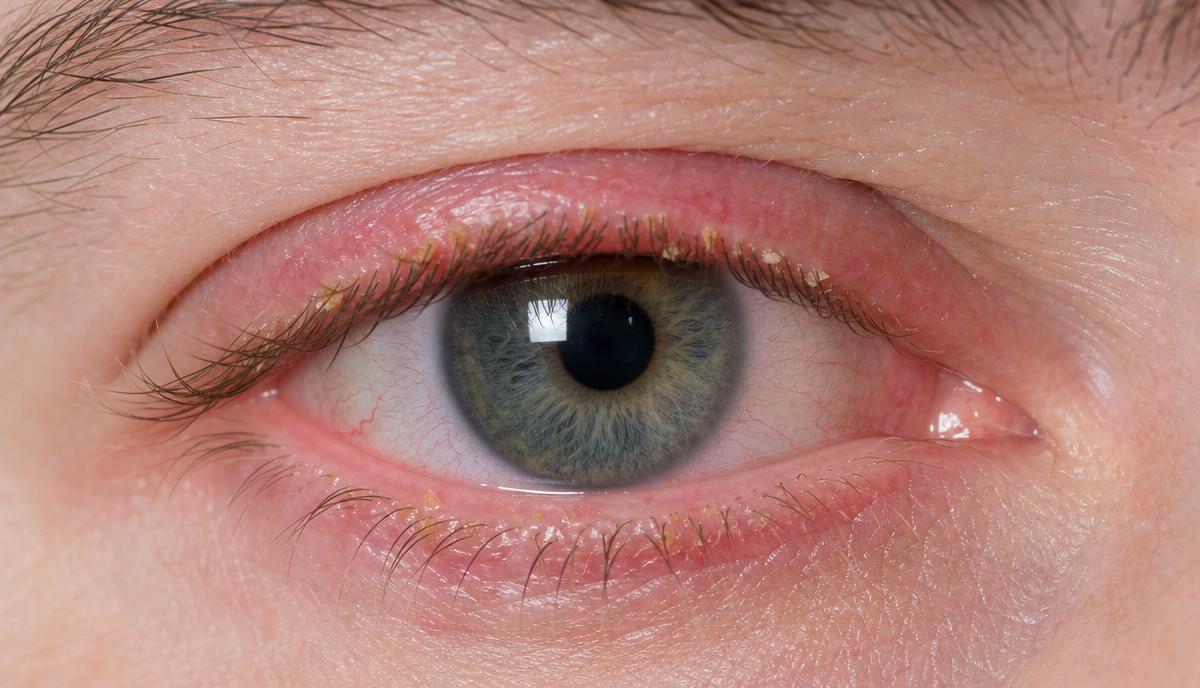
Blepharitis: the eyelid condition that causes 90% of dry eye
Struggling with sore, gritty or irritated eyes? Speak to Ms Pearsall's team — free, no obligation.
Blepharitis is a chronic inflammation of the eyelid margin that drives most cases of dry eye.
Why it matters
As a UK-trained consultant ophthalmic surgeon, I am asked about 'blepharitis treatment' in almost every clinic. The honest answer is rarely the one people read online, and it always depends on the specifics of the individual eye.
The important thing to remember is that the eye is a paired organ, and decisions about blepharitis treatment are decisions about the rest of your visual life, not just a single procedure or a single symptom.
What the evidence shows
Modern peer-reviewed evidence on blepharitis treatment is stronger than it has ever been. Long-term follow-up studies from the Royal College of Ophthalmologists, the American Academy of Ophthalmology and large European cohorts all point in the same direction: careful patient selection matters more than any single piece of technology.
In practice, this means the same procedure can be an excellent choice for one patient and completely wrong for another. That is why my consultations always start with diagnostics, not with a recommendation.
What I explain in clinic
When I discuss blepharitis treatment with a patient, I cover four things: what the procedure or condition actually is, what the realistic outcome looks like, what the risks are, and what alternatives exist. If any of those four are missing from a consultation you have had elsewhere, please ask.
I also try to be explicit about what a procedure will not do. Managing expectations honestly is one of the most important parts of a consultant's job.
Common questions
The three questions I hear most often about blepharitis treatment are: how long does the effect last, how quickly can I get back to normal, and is it worth the money. The answers depend on your eye, your lifestyle and your alternatives — and we will go through all three together.
Next steps
If you would like to discuss blepharitis treatment in person, we run consultations across 17 UK clinics and offer a full diagnostic workup as part of the initial visit. You can book at any of our locations, or send an enquiry through the contact page.
Explore more on Eye Conditions
Related reading
Medical ophthalmology — consultant diagnosis & second opinions- My distance vision is good but I need glasses for reading — what should I do?
If your distance sight is still clear but reading is becoming a struggle, presbyopia is the most likely cause. Ms Tahmina Pearsall explains what to do next.
- Keratoconus explained: symptoms, diagnosis and modern treatment in the UK
A consultant guide to keratoconus — how the cornea thins and bulges, the earliest warning signs, and the modern treatments (cross-linking, ICRS, contact lenses and corneal grafts) that stabilise vision.
- Ptosis explained: why the upper eyelid droops and how it is treated
A consultant guide to ptosis — the causes of a drooping upper eyelid, when it needs investigation, and the modern surgical and non-surgical options available in the UK.
- Chalazion explained: the painless eyelid lump and how to treat it
A consultant guide to chalazion — why a firm painless lump forms on the eyelid, how it differs from a stye, and the warm compress, injection and minor surgery treatments that work.
Ready to discuss your options?
Book a private consultation with Ms Tahmina Pearsall, or call our secretary directly — mention this article and we'll pull up the treatment details for you.
Prefer to read first? 10 questions to ask your cataract surgeon
Boletín
Mantente al día sobre la salud de tus ojos
Recibe artículos expertos, novedades de la clínica y actualizaciones de tratamientos de la Dra. Tahmina Pearsall directamente en tu bandeja de entrada.