
Eye Conditions
Conjunctivitis (pink eye): symptoms and treatment (UK guide)
Questions about your own eyes? Speak to Ms Pearsall's team — free, no obligation. UK private patients.
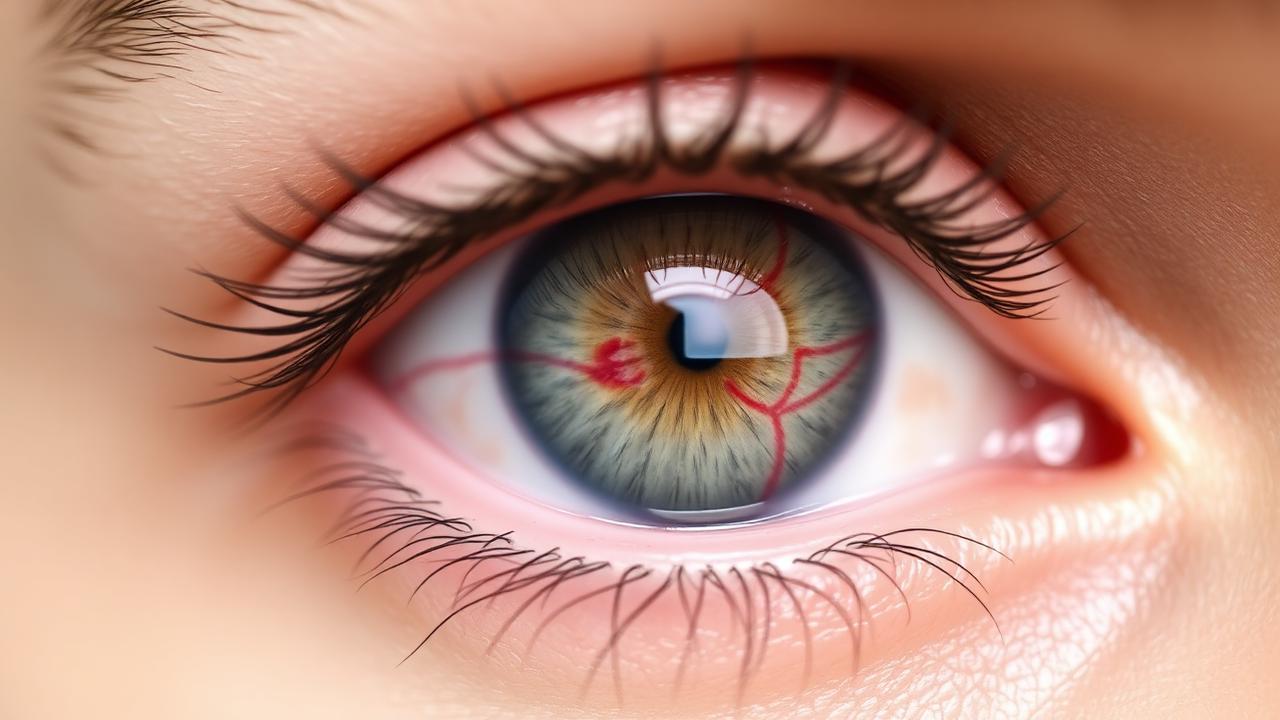
Conjunctivitis — 'pink eye' — is the most common eye infection in the UK. Most cases settle without treatment within 1–2 weeks, but knowing the type matters: viral and bacterial conjunctivitis are contagious, while allergic conjunctivitis is not. This guide covers all three.
Viral conjunctivitis
The commonest cause in adults. Usually triggered by adenovirus, often alongside a cold or sore throat.
- Watery discharge, redness, gritty feeling
- Starts in one eye and often spreads to the other within a few days
- Highly contagious for 10–14 days — avoid sharing towels and stay off work/school until discharge stops
- Antibiotics do not help. Cool compresses and preservative-free lubricants ease symptoms.
See a specialist if vision blurs, light sensitivity develops, or symptoms last more than 2 weeks — some adenoviral strains cause corneal inflammation (subepithelial infiltrates) that responds to steroid drops.
Bacterial conjunctivitis
Less common in adults; more common in children.
- Thick yellow or green discharge, lashes stuck together in the morning
- Usually one eye first
- Settles in 5–7 days without treatment in most adults
- Chloramphenicol drops (over the counter in the UK) shorten symptoms and are reasonable if discharge is heavy
- Contact lens wearers should stop lens wear immediately and be seen the same day, as bacterial keratitis can present similarly and threatens sight
Allergic conjunctivitis
Not an infection. Caused by pollen, dust mite, animal dander or contact allergens (eye drops, make-up, hair dye).
- Itchy, watery, both eyes affected simultaneously
- Often with lid swelling, sneezing or a runny nose
- Peak season in the UK: May–July for grass pollen
- Treatment: mast-cell stabiliser drops (sodium cromoglicate) daily through the season, or antihistamine drops (olopatadine) for episodes
- Oral antihistamines help systemic symptoms
Neonatal conjunctivitis — always urgent
A discharging eye in a baby under 28 days old is a medical emergency. It can be caused by gonorrhoea, chlamydia or herpes acquired at birth and needs same-day hospital assessment.
When to see an eye specialist urgently
Same-day review is needed if you have:
- Pain (not just grittiness)
- Blurred or reduced vision
- Marked light sensitivity
- A contact lens in place with a red eye
- Symptoms after eye trauma or surgery
- A cloudy patch on the cornea
These features suggest keratitis, uveitis or angle-closure glaucoma rather than conjunctivitis.
How long am I contagious?
Viral conjunctivitis: contagious as long as the eye is discharging or streaming, typically 10–14 days.
Bacterial conjunctivitis: contagious for the first 24 hours of antibiotic drops, or 48 hours without.
Allergic conjunctivitis: not contagious at all.
Next steps
If you have a red eye that is painful, light-sensitive, blurring your vision, or lasting more than two weeks, please book a consultation or call 020 3137 3237. For a broader overview, see our eye conditions guide.
Frequently asked questions
- Do I need antibiotic drops for pink eye?
- Usually not. Most conjunctivitis is viral or allergic and does not respond to antibiotics. Chloramphenicol drops help bacterial cases and are available over the counter in UK pharmacies.
- How long is conjunctivitis contagious?
- Viral conjunctivitis is contagious for 10–14 days while discharging. Bacterial is contagious for 24 hours after starting antibiotic drops. Allergic conjunctivitis is not contagious.
- Can I wear contact lenses with pink eye?
- No. Stop lens wear immediately, use glasses only, and be reviewed the same day if pain or blurred vision develops — contact-lens-related keratitis can look identical to conjunctivitis but threatens sight.
- When is pink eye an emergency?
- Pain, blurred vision, marked light sensitivity, or a red eye in a baby under 28 days old — attend eye casualty the same day.
Explore more on Eye Conditions
Related reading
Medical ophthalmology — consultant diagnosis & second opinions- My distance vision is good but I need glasses for reading — what should I do?
If your distance sight is still clear but reading is becoming a struggle, presbyopia is the most likely cause. Ms Tahmina Pearsall explains what to do next.
- Keratoconus explained: symptoms, diagnosis and modern treatment in the UK
A consultant guide to keratoconus — how the cornea thins and bulges, the earliest warning signs, and the modern treatments (cross-linking, ICRS, contact lenses and corneal grafts) that stabilise vision.
- Ptosis explained: why the upper eyelid droops and how it is treated
A consultant guide to ptosis — the causes of a drooping upper eyelid, when it needs investigation, and the modern surgical and non-surgical options available in the UK.
- Chalazion explained: the painless eyelid lump and how to treat it
A consultant guide to chalazion — why a firm painless lump forms on the eyelid, how it differs from a stye, and the warm compress, injection and minor surgery treatments that work.
Ready to discuss your options?
Book a private consultation with Ms Tahmina Pearsall, or call our secretary directly — mention this article and we'll pull up the treatment details for you.
Prefer to read first? 10 questions to ask your cataract surgeon
Newsletter
Restez informé sur la santé de vos yeux
Recevez articles d'expertise, actualités des cliniques et nouveautés en traitement de la part du Dr Tahmina Pearsall — directement dans votre boîte de réception.