
Eye technology
Femtosecond laser-assisted cataract surgery: where the evidence stands
Think you may need cataract surgery? Ms Pearsall can review your eyes privately in the UK — free, no-obligation call.
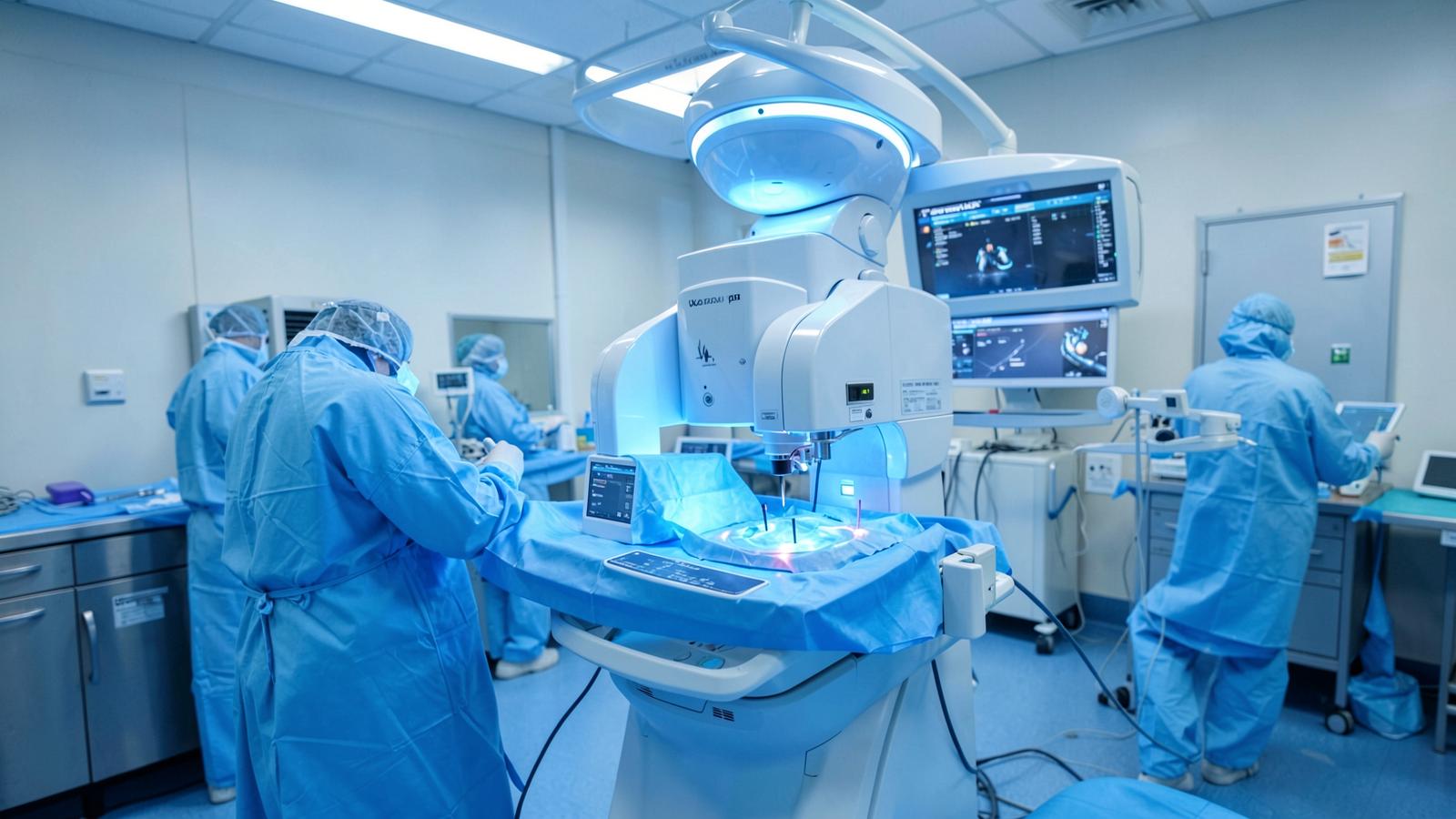
Femtosecond laser platforms can create the corneal incisions, open the lens capsule and soften the cataract before the surgeon begins. The appeal is reproducibility: the laser performs those steps to the micron.
What the laser replaces
The capsulotomy — the circular opening in the bag that holds the natural lens — is the step most affected. A perfectly round, perfectly sized opening helps the implant sit centrally, which matters for premium and toric lenses.
What large studies found
Randomised trials comparing laser-assisted and standard phacoemulsification have generally found similar visual outcomes and similar complication rates in routine eyes, with laser adding cost and time. The technology is not a shortcut to better vision in a straightforward cataract.
Where it earns its place
Dense cataracts, weak zonules, very shallow chambers and some post-trauma eyes are situations where automating the difficult steps can reduce stress on the eye. Experienced surgeons select the tool to fit the eye.
The honest headline
Skill, measurement accuracy and lens selection drive results far more than which machine opened the capsule. Beware clinics that price laser assistance as though it guarantees a better outcome.
What this means if you are considering surgery in the UK
New technology only helps when it is matched to the right eye. Ms Tahmina Pearsall FRCOphth is a UK consultant ophthalmic surgeon on the GMC specialist register with more than 50,000 eye procedures performed, and she assesses every patient personally before recommending anything. If laser-assisted cataract surgery is relevant to you, a consultation will tell you whether it changes your options — or whether a simpler, better-established treatment gives you a safer result.
Book a consultation with Ms Pearsall
Consultations are available at clinics across the UK, including London Harley Street, Birmingham, Manchester, Leeds, Edinburgh, Cardiff, Reading and Southampton. You can book a consultation, arrange a free 15-minute call, see treatment prices, read verified patient reviews or find your nearest clinic.
Explore more on Eye technology
Related reading
- Light-adjustable lenses: fine-tuning vision after cataract surgery
A lens implant whose power can be adjusted with UV light after healing is changing how surgeons plan cataract and lens replacement results.
- AI reading of OCT scans arrives in UK eye clinics
Software that triages retinal scans is now part of routine eye care — supporting clinicians rather than replacing them.
- Extended depth-of-focus lenses: the quiet improvement in lens surgery
EDOF implants stretch a single focal point into a range — often with better night vision than older multifocal designs.
- Robotic assistance in eye surgery: what is real in 2026
Robotic systems can steady a surgeon's hand to a few microns. Their real use today is in retinal microsurgery, not routine cataracts.
Keep reading
Ready to discuss your options?
Book a private consultation with Ms Tahmina Pearsall, or call our secretary directly — mention this article and we'll pull up the treatment details for you.
Prefer to read first? 10 questions to ask your cataract surgeon
Newsletter
Stay informed about your eye health
Get expert articles, clinic news and treatment updates from Dr Tahmina Pearsall — straight to your inbox.