
Eye technology
Extended depth-of-focus lenses: the quiet improvement in lens surgery
Questions about your own eyes? Speak to Ms Pearsall's team — free, no obligation. UK private patients.
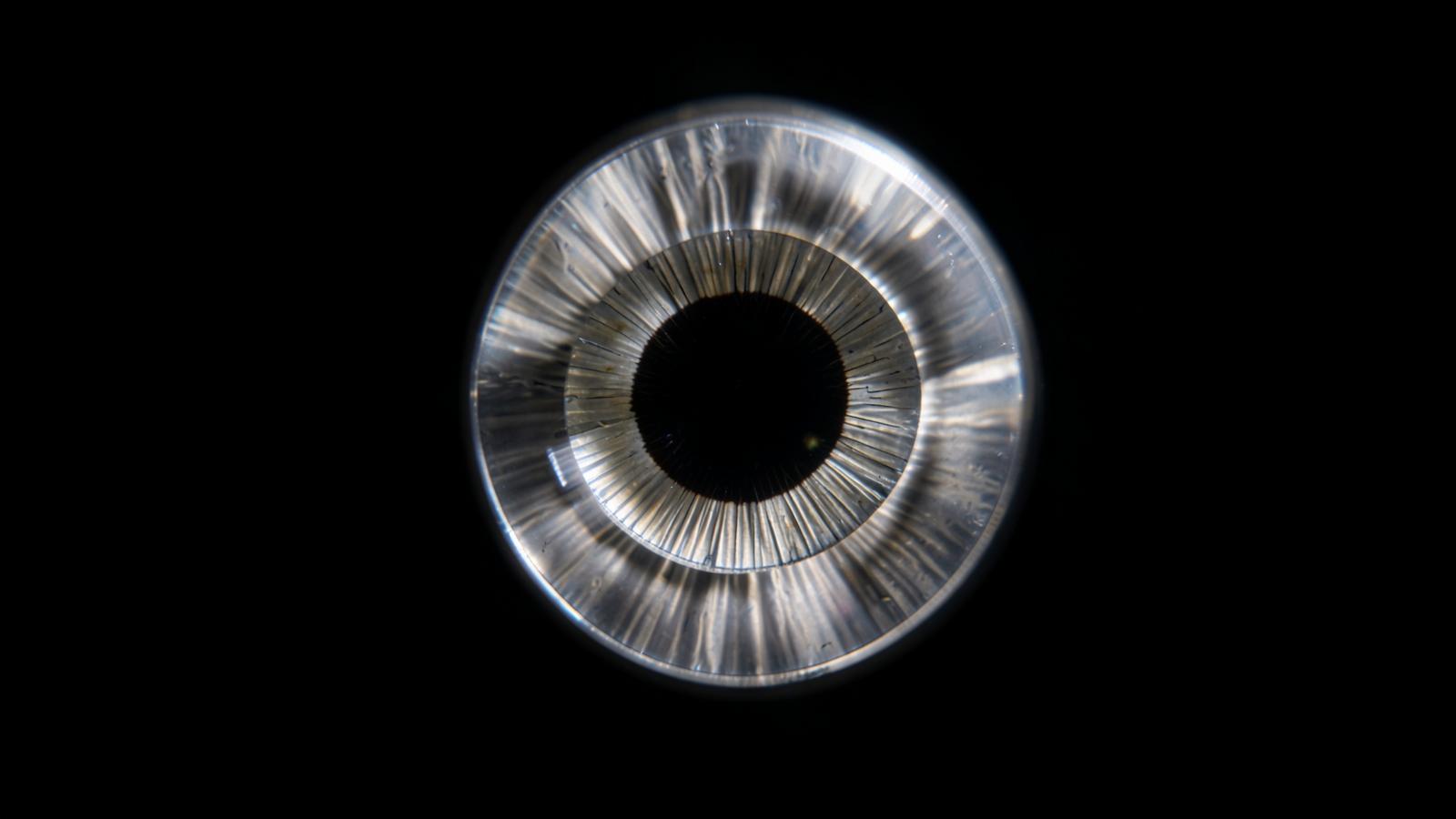
Multifocal lens implants split light between distance and near. Extended depth-of-focus designs take a different approach: they elongate a single focus into a continuous range.
What patients notice
Excellent distance and intermediate vision — driving, computer work, dashboards, price labels — with fewer and softer night-time halos than early multifocal designs produced.
The reading compromise
Most EDOF patients still use light reading glasses for very small print. Some surgeons target one eye slightly closer to gain more near range, which suits many people but not all.
Matching the lens to the eye
Corneal shape, pupil size, existing astigmatism and the health of the macula all influence which implant will perform. Astigmatism above roughly one dioptre usually needs a toric version of the lens.
Why the consultation decides it
Two people with identical prescriptions can need different lenses because of how they work, drive and read. That judgement is the substance of a consultant-led assessment.
What this means if you are considering surgery in the UK
New technology only helps when it is matched to the right eye. Ms Tahmina Pearsall FRCOphth is a UK consultant ophthalmic surgeon on the GMC specialist register with more than 50,000 eye procedures performed, and she assesses every patient personally before recommending anything. If a modern lens implant is relevant to you, a consultation will tell you whether it changes your options — or whether a simpler, better-established treatment gives you a safer result.
Book a consultation with Ms Pearsall
Consultations are available at clinics across the UK, including London Harley Street, Birmingham, Manchester, Leeds, Edinburgh, Cardiff, Reading and Southampton. You can book a consultation, arrange a free 15-minute call, see treatment prices, read verified patient reviews or find your nearest clinic.
Explore more on Eye technology
Related reading
- Light-adjustable lenses: fine-tuning vision after cataract surgery
A lens implant whose power can be adjusted with UV light after healing is changing how surgeons plan cataract and lens replacement results.
- Femtosecond laser-assisted cataract surgery: where the evidence stands
Laser-assisted cataract surgery automates several surgical steps. Here is what the evidence actually shows about outcomes.
- AI reading of OCT scans arrives in UK eye clinics
Software that triages retinal scans is now part of routine eye care — supporting clinicians rather than replacing them.
- Robotic assistance in eye surgery: what is real in 2026
Robotic systems can steady a surgeon's hand to a few microns. Their real use today is in retinal microsurgery, not routine cataracts.
Ready to discuss your options?
Book a private consultation with Ms Tahmina Pearsall, or call our secretary directly — mention this article and we'll pull up the treatment details for you.
Prefer to read first? 10 questions to ask your cataract surgeon
Boletín
Mantente al día sobre la salud de tus ojos
Recibe artículos expertos, novedades de la clínica y actualizaciones de tratamientos de la Dra. Tahmina Pearsall directamente en tu bandeja de entrada.