
Lens Replacement
Benefits of lens replacement or laser eye surgery for motorbike riders
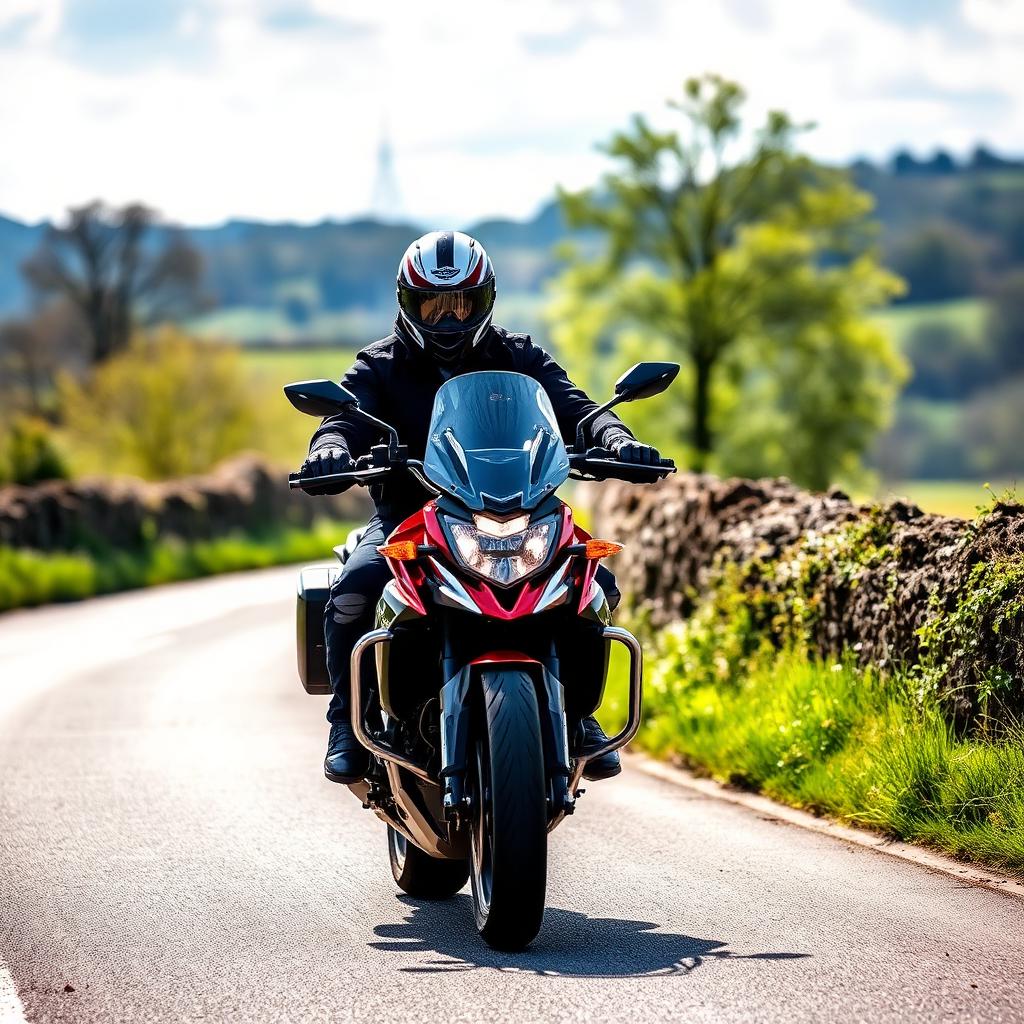
Wondering if laser eye surgery suits your eyes? Get an honest answer from Ms Pearsall's team — free, no obligation.
Considering laser eye treatment? Speak to consultant Ms Pearsall directly.
Book a laser eye consultationFor motorbike riders, vision is everything. Reading the road surface, judging closing speeds, spotting hazards in your peripheral vision and reacting to changing light all depend on clear, reliable sight. Glasses and contact lenses can work, but many riders find them a nuisance inside a helmet — frames dig in, lenses fog on cold mornings and contacts dry out in the wind. Lens replacement surgery and laser eye surgery both offer a permanent solution.
This article explains how each procedure helps motorcyclists, which is likely to suit you, and how Ms Tahmina Pearsall assesses riders in clinic.
Why riders struggle with glasses and contacts
Helmet visors, sun strips and pinlock inserts are already working hard. Add a pair of prescription glasses and you introduce reflections, pressure points against the temples, and fogging every time you stop at traffic lights. Contact lenses avoid the frame problem but dry out quickly at motorway speed, especially with a vented visor, and can move on the eye when you turn your head to check a blind spot.
The result is small but constant visual compromise — exactly what you do not want on a bike.
Laser eye surgery for motorcyclists
LASIK and LASEK reshape the cornea to correct short-sightedness, long-sightedness and astigmatism. For riders under about 45 with a stable prescription and healthy eyes, laser eye surgery is often the best fit. Recovery is quick, distance vision becomes sharp within days, and there is no lens or frame between your eyes and the road.
Most riders can return to gentle riding around two weeks after LASIK, once the surgeon confirms healing is on track. Wraparound sunglasses or a tinted visor are recommended for the first few weeks to protect against dust and UV.
Lens replacement surgery for motorcyclists
From around the mid-forties, the natural lens starts to stiffen (presbyopia) and eventually clouds (cataract). Laser reshaping cannot fix that. Refractive lens exchange — replacing the natural lens with a monofocal, EDOF or multifocal implant — can correct distance vision and, with the right lens, also intermediate and near vision.
For older riders who also want to see the dashboard clearly and read a map or phone at a fuel stop, an EDOF or trifocal lens is often a strong choice. Monofocal lenses give the sharpest distance vision and the highest contrast, which some riders prefer for night riding.
Night riding, glare and contrast
Night vision is where lens choice really matters. Multifocal lenses can cause halos and starbursts around oncoming headlights, especially in the first few months. Riders who do a lot of night or dawn riding may be better suited to a monofocal or EDOF lens, which keeps contrast high and halos minimal. This is always discussed at consultation.
What changes on the bike after surgery
Riders typically notice three things: no more visor fog when they lift their chin at lights, no more frame pressure on long rides, and sharper distance vision for reading road signs and spotting hazards early. Wet-weather riding also feels safer because rain on glasses is no longer part of the equation.
Returning to riding after surgery
Both laser and lens replacement are day-case procedures. Vision is usually usable within 24–48 hours. Gentle short rides are typically fine from around two weeks, and full touring or track work from around four to six weeks, depending on healing. Full protective kit — helmet, visor, gloves — is essential from day one.
Next steps
Book a consultation with Ms Tahmina Pearsall to find out whether laser eye surgery or lens replacement is the right fit for your eyes and your riding. You will receive a full assessment, an honest recommendation and a written, all-inclusive quote.
Frequently asked questions
- Can I ride a motorbike after laser eye surgery?
- Most riders return to gentle riding around two weeks after LASIK, once the surgeon confirms healing is on track. A tinted visor or wraparound sunglasses are recommended for the first few weeks.
- Will lens replacement help with night riding?
- Yes, especially if you already have early cataract. Monofocal or EDOF lenses give the highest contrast and lowest halos for night riding. Multifocal lenses can cause halos, so lens choice is matched to how much you ride at night.
- Am I too old for laser eye surgery as a rider?
- From around the mid-forties, lens replacement is usually the better choice because it also addresses reading vision and future cataract. Ms Pearsall will advise which procedure fits your eyes and lifestyle.
- How much does it cost?
- Laser eye surgery starts from around £2,400 per eye. Lens replacement starts from around £2,750 per eye for monofocal and £4,200 for premium multifocal or trifocal lenses. A written all-inclusive quote is provided at consultation.
Explore more on Lens Replacement
Related reading
- Will lens replacement surgery help my golf?
How refractive lens exchange can sharpen your view of the ball, the fairway and the flag — and what golfers should know before booking surgery.
- How good is multifocal lens replacement surgery for golf?
A golfer's guide to multifocal and trifocal lens replacement surgery — how it performs on the fairway, green and in the clubhouse, and who it suits best.
- How good is multifocal lens replacement surgery for snooker?
A snooker player's guide to multifocal lens replacement — how it affects sight down the table, cue-ball focus, lighting and the scorecard, and whether it is the right choice.
- Is lens replacement or cataract surgery good for fishing?
An angler's guide to lens replacement and cataract surgery — spotting the float and the fly, glare off the water, tying knots at dusk, and which lens suits fishing best.
Keep reading
Greater London
Book a consultation in London
Ms Tahmina Pearsall FRCOphth sees London patients for lens replacement and private cataract surgery, with fixed written quotes from £2,750 per eye and 12 months of consultant aftercare included.
Also seeing patients in
Ready to discuss your options?
Book a private consultation with Ms Tahmina Pearsall, or call our secretary directly — mention this article and we'll pull up the treatment details for you.
Prefer to read first? 10 questions to ask your cataract surgeon
Newsletter
Stay informed about your eye health
Get expert articles, clinic news and treatment updates from Dr Tahmina Pearsall — straight to your inbox.