
Eye Conditions
Xanthelasma explained: yellow eyelid plaques, cholesterol and modern removal
Questions about your own eyes? Speak to Ms Pearsall's team — free, no obligation. UK private patients.
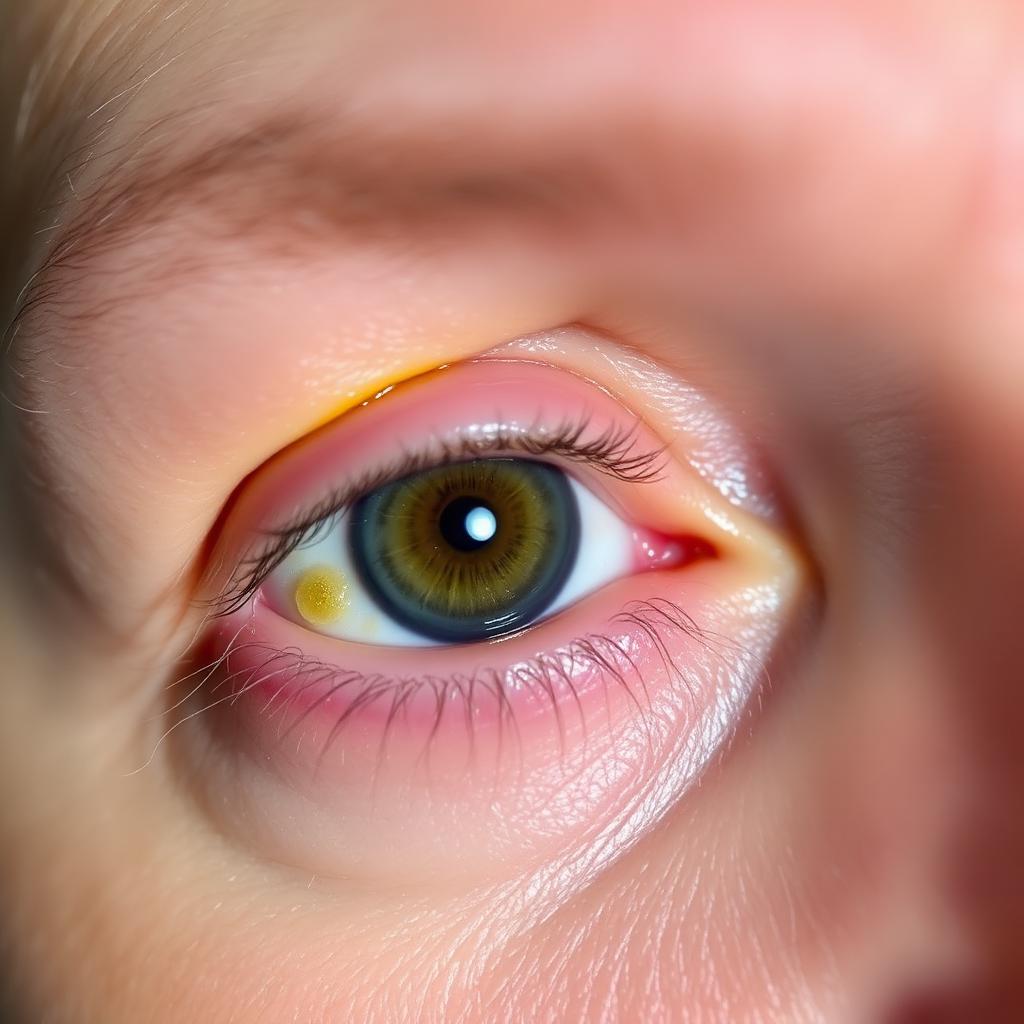
Xanthelasma palpebrarum — usually shortened to xanthelasma — are soft, yellowish plaques that appear on the eyelids, most often near the inner corner of the upper lid. They are made of cholesterol-rich lipid deposits under the skin and are almost always benign. However, they matter for two reasons: they can enlarge and become cosmetically distressing, and in around half of patients they are a visible marker of raised blood cholesterol and increased cardiovascular risk.
Xanthelasma are more common in women and typically appear in middle age. They may be single or multiple, symmetrical, and can slowly grow over months and years.
What causes xanthelasma?
Xanthelasma form when cholesterol-laden immune cells (foam cells) accumulate in the loose connective tissue of the eyelid skin. Around half of patients have an underlying lipid abnormality — most often raised LDL cholesterol or a familial hyperlipidaemia. The other half have normal blood lipids, and the plaques appear because of a local tendency of the eyelid skin to deposit lipid.
Every patient with new xanthelasma should have a fasting lipid profile and cardiovascular risk assessment with their GP, even if their weight and diet appear healthy. Detecting and treating raised cholesterol early is far more important than the plaque itself.
What to look for
Xanthelasma appear as soft, flat or slightly raised, yellow to yellow-orange plaques on the eyelid skin. They are painless, non-itchy and grow very slowly. Unlike other eyelid lumps they do not become inflamed, do not bleed, and do not affect the eyelid margin or the eyelashes. Any yellow lesion that grows quickly, ulcerates or bleeds should be biopsied to exclude other diagnoses.
Treating the underlying cause first
Before removing the plaques, the priority is to address any underlying lipid abnormality. Diet, exercise, weight optimisation and — where appropriate — statin or ezetimibe therapy under GP guidance can reduce cardiovascular risk and may slow the appearance of new plaques. Cholesterol control alone rarely makes established plaques disappear, but it makes recurrence after removal less likely.
Removal options
Several safe and effective treatments are available for cosmetic removal of xanthelasma, and the best choice depends on the size, thickness and location of the plaques.
Surgical excision is the most reliable single-treatment option for small to medium plaques, especially when they lie in the natural upper eyelid skin crease. The plaque is excised under local anaesthetic in clinic and the wound closed with fine sutures, giving a scar that hides in the crease. Larger or more extensive plaques may require a small skin flap or graft, planned by an oculoplastic surgeon.
CO₂ or erbium laser ablation vaporises thin plaques with millimetre precision and is ideal for lesions that are too diffuse to excise. Multiple sessions may be needed, and healing takes 1–2 weeks with careful sun protection.
Trichloroacetic acid (TCA) chemical peeling is a useful option for very flat, superficial plaques and can be repeated. It carries a small risk of pigment change, especially in darker skin types.
Radiofrequency or electrodesiccation removes plaques layer by layer under local anaesthetic and is well suited to raised lesions.
Recurrence and long-term follow-up
Xanthelasma recur in around 30–40% of patients within a few years, regardless of the removal method — because the underlying tendency for the eyelid skin to deposit lipid persists. Managing cholesterol, avoiding rapid weight fluctuations and attending regular reviews reduce the risk. Recurrent plaques can be treated again safely.
When to see a specialist
See an ophthalmologist or oculoplastic surgeon if the plaques are enlarging, are becoming cosmetically distressing, or if you would like advice on the best removal technique for your skin type and eyelid anatomy. See your GP or a lipid specialist if your fasting lipid profile is abnormal or if you have a family history of early heart disease.
Related reading: browse our consultant ophthalmologist services and full service list, or read related guides on ptosis (drooping eyelid), chalazion and keratoconus. For vision correction, see laser eye surgery and lens replacement surgery.
To discuss safe xanthelasma removal with a UK consultant ophthalmologist, book a free 15-minute call or request a full consultation.
Frequently asked questions
- Does having xanthelasma mean I have high cholesterol?
- About half of patients with xanthelasma have raised blood cholesterol, and the other half have normal lipids. Every patient with new xanthelasma should have a fasting lipid profile and cardiovascular risk assessment with their GP, regardless of appearance or weight.
- Will xanthelasma go away on its own?
- Established xanthelasma do not disappear on their own. Improving cholesterol and lifestyle can slow the appearance of new plaques, but existing plaques usually need surgical, laser or chemical removal for cosmetic clearance.
- Which xanthelasma treatment leaves the least scar?
- For small plaques hidden in the upper lid crease, precise surgical excision usually gives the most invisible result. For diffuse or superficial plaques, CO₂ or erbium laser ablation gives excellent skin blending. The right choice depends on the size, thickness and location of the lesion.
Explore more on Eye Conditions
Related reading
Medical ophthalmology — consultant diagnosis & second opinions- Can you leave cataracts untreated?
What happens if you do nothing about cataracts, and when delaying surgery stops being a good idea.
- What is 20/20 vision?
A simple explanation of what 20/20 means, how visual acuity is measured, and why it is not the whole story.
- What causes blurred vision?
The common and serious causes of blurred vision, and when to seek an urgent eye examination.
- Presbyopia in your 40s: reading glasses aren't your only option
How modern trifocal lenses can restore near, intermediate and distance vision in a single procedure.
Keep reading
Ready to discuss your options?
Book a private consultation with Ms Tahmina Pearsall, or call our secretary directly — mention this article and we'll pull up the treatment details for you.
Prefer to read first? 10 questions to ask your cataract surgeon
Newsletter
Stay informed about your eye health
Get expert articles, clinic news and treatment updates from Dr Tahmina Pearsall — straight to your inbox.