
Eyelid conditions
Eyelid papilloma: what it is and how it is removed
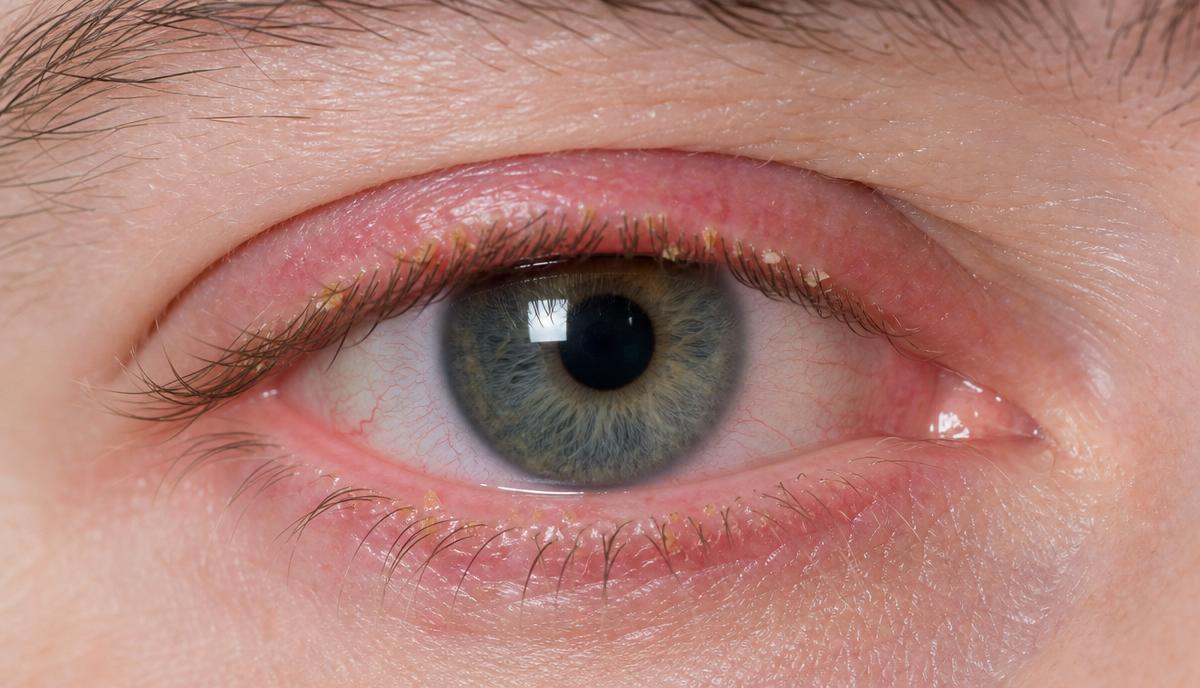
A squamous papilloma is a benign overgrowth of skin. On the eyelid it is usually skin-coloured or slightly pink, may be on a stalk (pedunculated) or broad-based, and often has a rough, cauliflower-like or finger-like surface. Some are linked to the human papillomavirus (HPV).
Is it harmful?
No, but papillomas can grow, rub on the eye if they sit on the lid margin, catch on lashes and be cosmetically unwelcome. A few look similar to other lesions that need testing, which is why examination matters.
Removal
Under local anaesthetic, the papilloma is removed at its base and the area sealed. Lid-margin lesions need particular care to preserve the lid contour and lashes. The tissue is usually sent for histology. Most procedures take 10–15 minutes.
Recurrence
Complete removal at the base makes recurrence unlikely, although viral papillomas occasionally return or appear elsewhere.
See a doctor promptly if an eyelid lump bleeds, crusts or ulcerates, causes eyelashes to fall out, keeps growing, distorts the lid, or comes back in the same place. Spreading redness and swelling of the whole lid, especially with fever or pain on moving the eye, needs urgent same-day care.
See eyelid lump and lesion removal, skin tag on the eyelid and lump on the eyelid — when to worry.
Seeing Ms Tahmina Pearsall
Ms Pearsall removes eyelid papillomas and other benign lid lesions under local anaesthetic.
Ms Tahmina Pearsall is a consultant ophthalmic surgeon who qualified in 1993 and has more than 30 years of experience and over 50,000 procedures performed. She trained at Moorfields Eye Hospital, St Thomas' Hospital and Addenbrooke's Hospital, and sees private patients at multiple clinic locations, including Harley Street in London. Read her full credentials.
Ms Pearsall sees patients at Harley Street, London and other clinic locations. Patients travel from across the UK, including Brighton & Hove and Liverpool, and from Jersey and Guernsey and the Isle of Man.
The first telephone enquiry is free — arrange a free initial call to explain what happened and check whether a review is likely to help. A full clinical consultation with Ms Pearsall costs £250. Treatment prices are listed on the pricing page and confirmed in writing after examination.
This article is general information written for patients and does not replace an individual examination.
Frequently asked questions
- Is an eyelid papilloma cancerous?
- Squamous papillomas are benign. Because some other lesions can look similar, removed tissue is usually sent for histology.
- Can an eyelid papilloma come back?
- Recurrence is uncommon after complete removal at the base, although viral papillomas occasionally return.
Explore more on Eyelid conditions
Related reading
Stye, chalazion and eyelid lump removal- Chalazion vs stye: how to tell the difference, and what to do about each
A stye is a painful infection that usually settles in days; a chalazion is a firm, usually painless blocked gland that can last for weeks. The difference changes what you should do.
- Internal stye: a lump on the inside of the eyelid explained
Internal styes form on the inside of the lid, can be more painful than the external kind, and are more likely to leave a chalazion behind.
- Lump on the eyelid: the common causes, and when to worry
Almost all eyelid lumps are harmless. A few features suggest something that should be examined and, sometimes, removed and tested.
- Eyelid cyst removal in the UK: types of cyst and what the procedure involves
Most eyelid cysts can be removed in a 10–20 minute procedure under local anaesthetic. Here is what to expect, from the injection to the follow-up.
Keep reading
Have a question about your eyes?
Leave your details and the secretary will call you back. The first phone call is free; a clinical consultation is £250.
Ready to discuss your options?
Book a private consultation with Ms Tahmina Pearsall, or call our secretary directly — mention this article and we'll pull up the treatment details for you.
Prefer to read first? 10 questions to ask your cataract surgeon
Newsletter
Stay informed about your eye health
Get expert articles, clinic news and treatment updates from Dr Tahmina Pearsall — straight to your inbox.